Google Pixel 11 Pro XL Leaked: Familiar Design, Bigger Battery and Tensor G6 on the Way
CAD renders of the Google Pixel 11 Pro XL have surfaced, revealing its design even before Google makes any official announcements.
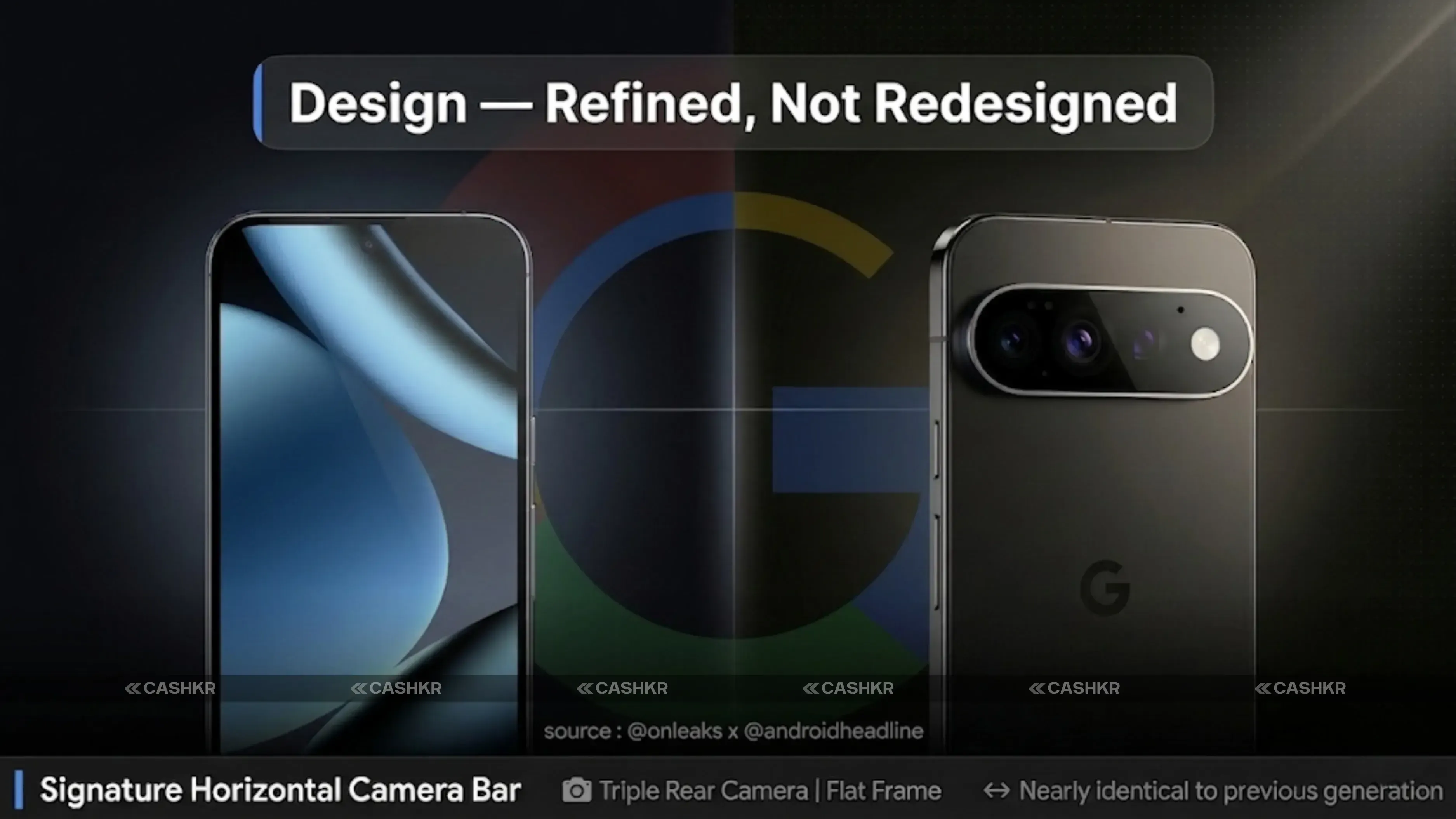
The horizontal camera bar, flat metal frame, and power button above the volume rocker all remain. Anyone familiar with the Pixel 10 Pro XL will recognize the Pixel 11 Pro XL right away. Google is making small improvements instead of a full redesign, and the CAD dimensions show the phone is almost the same size as before.
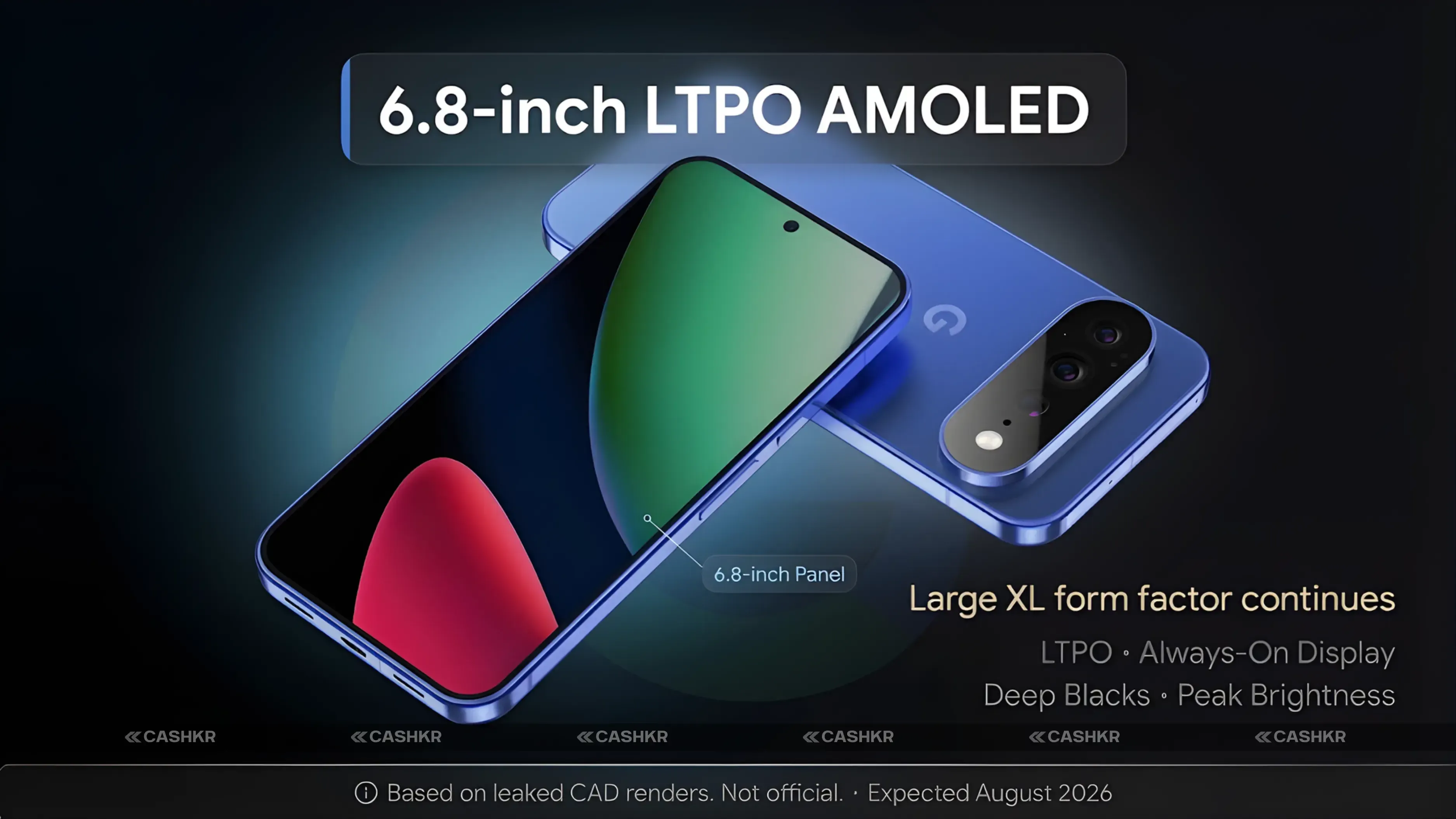
The design leaks don’t reveal the internal hardware. However, leaked specs point to a Tensor G6 chipset, up to 16GB of RAM, a larger 5,500mAh battery, and a 6.8-inch LTPO AMOLED display. The rumored switch to a MediaTek M90 modem could fix one of the main complaints about previous Tensor models.
The Pixel 11 Pro XL is expected to launch in August 2026. Here’s what the leaks reveal so far.
What leaks confirm: 6.8-inch LTPO AMOLED | Full-width horizontal camera bar | Triple rear camera | Flat frame, power above volume | Near-identical dimensions to Pixel 10 Pro XL | What is expected: Tensor G6 | Up to 16GB RAM | 5,500mAh battery | MediaTek M90 modem | August 2026 launch
Design: Familiar on Purpose
The CAD renders show that the Pixel 11 Pro XL keeps Google’s familiar design, with no major changes from the Pixel 10 Pro XL.
The full-width horizontal camera bar on the back is still the Pixel’s standout design feature in 2026. Google has used this look since the Pixel 6, making it a clear brand marker that sets Pixel phones apart from other Android flagships. For the Pro XL, the camera bar gets a refined finish but no major changes.
The flat frame with rounded corners keeps the clean, sharp look that Pixel buyers expect from a premium Android phone. The power button is still above the volume rocker on the right, just like on the Pixel 10 Pro XL. The bezels look similar in the leaks, but the LTPO AMOLED display should be more efficient even if the size stays the same.
The CAD renders show the Pixel 11 Pro XL is almost the same size as the Pixel 10 Pro XL. This is a deliberate choice by Google, not a sign of laziness. They’ve improved the hardware inside while keeping the same body, so cases for the Pixel 10 Pro XL should fit the new model. That’s good news for anyone who already owns accessories.
There’s no word yet on color options in the leaks. Earlier Pixel Pro XL models came in four or five colors. We’ll see the full lineup at Google’s official launch event.
Keeping the same design isn’t a failure. Apple has kept the same iPhone Pro size for two generations, and Samsung’s Galaxy S series has stayed consistent too. If a design is comfortable and stands out, it makes sense to keep it. Big changes just for the sake of it can make accessories useless and turn off fans of the old style.
The Pixel 11 Pro XL is expected to have a 6.8-inch LTPO AMOLED display, which is the larger size that Pro XL buyers prefer over the standard Pro model.
LTPO technology lets the display adjust its refresh rate from 1Hz for still images up to 120Hz for scrolling and gaming. The Pixel 10 Pro XL already had this feature. By keeping LTPO, the Pixel 11 Pro XL should offer smooth performance and better battery life.
We don’t have leaked details yet on brightness, resolution, or display certifications. Pixel Pro displays are known for being very color-accurate, thanks to careful calibration for photography and video. This approach is expected to continue with the 11 Pro XL.
The Tensor G6 chipset is the main performance upgrade, while the rumored MediaTek M90 modem is the most important change for daily connectivity.
Earlier Tensor models used Samsung’s modem, which was often criticized for weaker 5G performance and less reliable connections compared to Qualcomm’s modems. Switching to the MediaTek M90 should fix this issue. The M90 is known for strong 5G performance, especially on Indian networks, which is important for buyers in cities with good 5G coverage.
The Tensor G6 should offer better CPU performance than the G5, improved cooling during long gaming or creative sessions, and faster on-device AI for Pixel’s main features. Tensor chips are built for Google’s AI tools like Call Screen, Live Translate, Photo Unblur, Magic Eraser, and Gemini Nano. These features work faster and more accurately on Tensor than on similar Snapdragon chips.
The Pixel 11 Pro XL is expected to come with up to 16GB of RAM, giving it enough memory for Google’s growing AI features without slowing down app multitasking.
Why the modem upgrade matters: The Tensor G5’s modem was the most criticized part of the Pixel 10 series, often losing signal where other phones stayed connected. If the Pixel 11 Pro XL uses the MediaTek M90, it should fix this long-standing issue.
Battery: 5,500mAh Steps Up From 4,700mAh
The new 5,500mAh battery is 800mAh bigger than the Pixel 10 Pro XL’s and answers one of the most common requests from Pro XL buyers.
Pixel Pro XL phones have usually had smaller batteries than other Android flagships. For example, the Samsung Galaxy S25 Ultra has 5,000mAh, and the iQOO 15 Apex Edition has 7,000mAh. The Pixel 10 Pro XL’s 4,700mAh was below average, but the Pixel 11 Pro XL’s 5,500mAh finally meets what buyers expect at this price.
With the Tensor G6’s expected power savings and the LTPO display’s adaptive refresh, real battery life should improve even more than the bigger battery alone suggests. Google’s Adaptive Battery software also helps by learning your app habits and cutting background power use for rarely used apps.
We don’t know the charging speed for the Pixel 11 Pro XL yet. The Pixel 10 Pro XL had 30W wired charging, which was slower than other flagships. If Google bumps this up to 35W or 45W, it would fix another common battery complaint.
The charging speed remains uncertain. Google hasn’t fixed the 30W charging issue with the Pixel 10 Pro XL. If the Pixel 11 Pro XL also sticks to 30W, charging the 5,500mAh battery will take about 1 hour, 45 minutes, or 2 hours, which is slower than Samsung’s 45W and OnePlus’s 80W charging. We’ll have to wait for official details at launch.
Camera: Triple Setup With Google's Computational Advantage
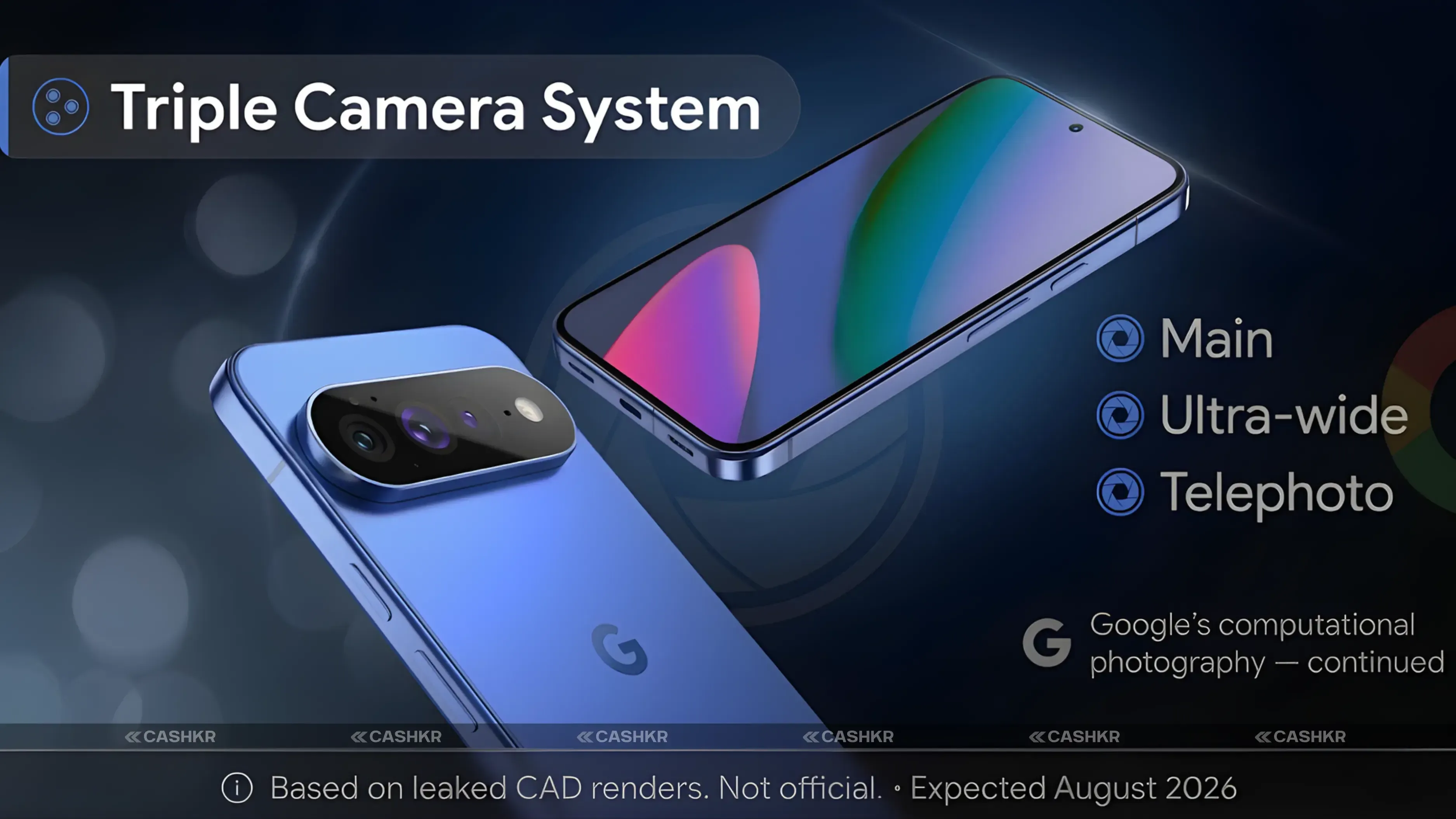
The CAD renders reveal a triple rear camera setup in the familiar horizontal camera bar. We don’t have details yet on the specific sensors.
The Pixel 11 Pro XL will likely have the same main, ultrawide, and telephoto camera setup as the Pixel 10 Pro XL. Google usually improves its cameras through better computational photography and AI, not just hardware changes. The Tensor G6’s upgraded AI should make image processing faster and more accurate in all situations.
Popular Pixel camera features like Magic Eraser, Photo Unblur, Best Take, and Gemini Nano for AI photo editing will still be available on the 11 Pro XL, with faster and more accurate processing. For people who want the AI to handle everything and still get great photos, the Pixel 11 Pro XL’s camera is a big selling point.
We’ll get the full camera specs, like megapixel counts, apertures, and zoom ranges, at Google’s official launch event in August 2026.
Pixel 11 Pro XL vs Pixel 10 Pro XL: What Changed
Based on leaked and expected information:
Battery: 5,500 mAh expected vs. 4,700 mAh on the Pixel 10 Pro XL. The most significant confirmed upgrade.
Chipset: Tensor G6 expected vs Tensor G5. Improved CPU performance and better thermal management are expected.
Modem: MediaTek M90 reported vs Samsung modem on Pixel 10 Pro XL. Directly addresses the connectivity criticism.
Display: 6.8-inch LTPO AMOLED continues. Specific resolution and brightness improvements are unconfirmed.
Design: Near-identical to CAD renders. Same camera bar, same frame, same button layout, same dimensions.
RAM: Up to 16GB expected, the same as the Pixel 10 Pro XL's maximum configuration.
All Leaked and Expected Specifications
Display
6.8-inch LTPO AMOLED
Chipset
Google Tensor G6 (expected)
RAM
Up to 16GB (expected)
Storage
256GB base variant (expected)
Battery
~5,500mAh (expected)
Rear Cameras
Triple: main, ultrawide, telephoto
Camera Bar
Signature full-width horizontal bar
Frame
Flat with rounded corners
Expected Price in India
Google has not confirmed pricing. Based on the Pixel 10 Pro XL's India launch price and the expected hardware upgrades, the Pixel 11 Pro XL is estimated to launch between Rs. 1,00,000 and Rs. 1,10,000 in India.
Flipkart has been Google's primary India channel for Pixel phones. Bank offers and exchange bonuses at launch have historically brought the effective price down by Rs. 5,000 to Rs. 10,000 from the listed MRP. The August 2026 launch is expected to follow the same channel and offer structure.
Should You Wait for the Pixel 11 Pro XL?
Wait if you are a current Pixel 9 or Pixel 8 Pro XL user. The Tensor G6, MediaTek M90 modem, larger battery, and two generations of camera improvements make this a compelling upgrade.
Wait, if Google's AI features are central to your daily phone use. Call Screen, Live Translate, Magic Eraser, and Gemini Nano run better on Tensor than on any alternative chipset.
Consider the Pixel 10 Pro XL now if it drops in price after the 11 Pro XL launch. The 10 Pro XL will be available at a meaningful discount post-launch and offers a nearly identical experience for most users.
Look elsewhere if raw benchmark performance or the fastest charging are priorities. The iQOO 15 Apex Edition at Rs. 66,999 offers a Snapdragon 8 Elite Gen 5 and 100W charging at a lower price than the expected Pixel 11 Pro XL.
Final Verdict
The Google Pixel 11 Pro XL looks like a solid upgrade that fixes the two main complaints about the Pixel 10 Pro XL: battery life and modem performance.
The 5,500mAh battery brings the Pixel 11 Pro XL in line with other flagship phones. The rumored MediaTek M90 modem should finally fix the connectivity issues that have affected Tensor phones. The Tensor G6 and Gemini Nano keep Pixel’s lead in AI features, which is a big reason people pick Pixel over other brands at this price.
The design staying the same isn’t a drawback—it means continuity. You still get accessory compatibility, the same comfortable feel, and the recognizable Pixel look. The real improvements are inside the phone.
Google will make everything official in August 2026. If the leaks are right, the Pixel 11 Pro XL will be the best Pixel Pro XL yet and a strong choice for anyone looking for a flagship around Rs. 1,00,000 who values Google’s software.
Bottom line: The Pixel 11 Pro XL offers a bigger 5,500mAh battery, Tensor G6, a rumored MediaTek M90 modem fix, and Pixel’s AI features in a familiar design. It’s expected in August 2026 and could be the best Pixel Pro XL yet if the modem and battery upgrades deliver in real use.
FAQs
1. When will the Google Pixel 11 Pro XL launch in India?
The Pixel 11 Pro XL is expected to launch globally in August 2026. India's launch typically follows the global announcement by a short window. Flipkart is expected to be the primary sales channel in India.
2. What display does the Pixel 11 Pro XL have?
A 6.8-inch LTPO AMOLED display based on leaked CAD renders. LTPO allows adaptive refresh from 1Hz to 120Hz for smooth performance and power efficiency. Specific brightness and resolution details have not been confirmed.
3. What chipset does the Pixel 11 Pro XL use?
The Google Tensor G6 is expected. This is Google's custom chipset optimized for on-device AI features, including Call Screen, Live Translate, Gemini Nano, and computational photography. A MediaTek M90 modem is reported alongside the Tensor G6.
4. How is the Pixel 11 Pro XL different from the Pixel 10 Pro XL?
Key expected differences are a larger 5,500mAh battery vs 4,700mAh, the Tensor G6 vs G5, and the reported MediaTek M90 modem replacing the previous Samsung modem. The design remains near-identical, according to leaked CAD renders.
5. What is the expected price of Pixel 11 Pro XL in India?
Based on the Pixel 10 Pro XL's India pricing, the Pixel 11 Pro XL is estimated to launch between Rs. 1,00,000 and Rs. 1,10,000. Official pricing will be confirmed at Google's August 2026 launch event.
6. Does the Pixel 11 Pro XL have a new design?
Based on leaked CAD renders, the design is near-identical to the Pixel 10 Pro XL. The horizontal camera bar, flat frame, button positions, and overall dimensions remain unchanged. Google is following a refinement rather than a redesign approach.
7. Why is the MediaTek M90 modem important for the Pixel 11 Pro XL?
Previous Tensor phones used Samsung's modem, which received consistent criticism for weaker 5G connectivity compared to Qualcomm-based phones. The MediaTek M90 is a proven modem with strong real-world performance. If confirmed, it directly resolves the Pixel's most consistent hardware complaint.
8. Is the Pixel 11 Pro XL good for photography?
Yes, based on Google's track record. Pixel Pro XL phones consistently lead in computational photography, AI scene processing, and post-capture editing tools. Full camera specifications will be confirmed at launch, but the Tensor G6's AI processing improvements should benefit every camera feature.
9. How does the Pixel 11 Pro XL compare to the Samsung Galaxy S25 Ultra?
The Samsung Galaxy S25 Ultra has a stronger zoom camera system and broader hardware specifications. The Pixel 11 Pro XL leads on AI photography features, software cleanliness, and Google's long-term update commitment. Both are flagship-tier phones for different buyer priorities.
10. Should I buy the Pixel 10 Pro XL now or wait for the Pixel 11 Pro XL?
Wait for the Pixel 11 Pro XL if you can. The battery upgrade from 4,700mAh to 5,500mAh and the expected modem improvement are meaningful enough to affect daily use. If you need a phone now, the Pixel 10 Pro XL price drop post-launch will make it a good value.
If you want to sell your old devices, then click here.
 Yaskar Jung ShahUpdated: Aug 17, 2026·15 min read