Electronics Depreciation: Why Your Gadget Is Worth Peanuts in 2 Years
Let’s be honest.
You’ve definitely done this. Pulled out an old phone or laptop from a drawer, plugged it in, and thought, “Wait, I paid how much for this?!”
That flagship smartphone you dropped ₹80,000 on two years ago? Yeah. Today it might get you enough cash for a nice dinner and maybe a movie ticket. Painful, right?
It’s not because you broke it. It’s not because you didn’t take care of it. It’s because electronics are basically the worst investment you can make, financially speaking. They start losing value the second you tear that plastic wrap off.
This is the problem, though. You can actually outsmart the system if you know why this occurs. You can make a lot more money than your neighbor who kept their phone "just in case" if you sell at the right moment and take care of the proper stuff.
Depreciation is just the term for “your stuff gets cheaper over time.”
Cars do it. Furniture does it. But electronics? They do it on steroids. Why? Because tech moves at the speed of light. Every single year, brands drop newer, faster, shinier versions of the thing you just bought. And suddenly, your “top of the line” device looks like old news.
It doesn’t matter if you babied it with a case and screen protector since Day 1. The market doesn’t care about your emotional attachment. It cares about what’s new.
Why Do Electronics Drop in Value Like a Rock?
Let’s break it down in plain English.
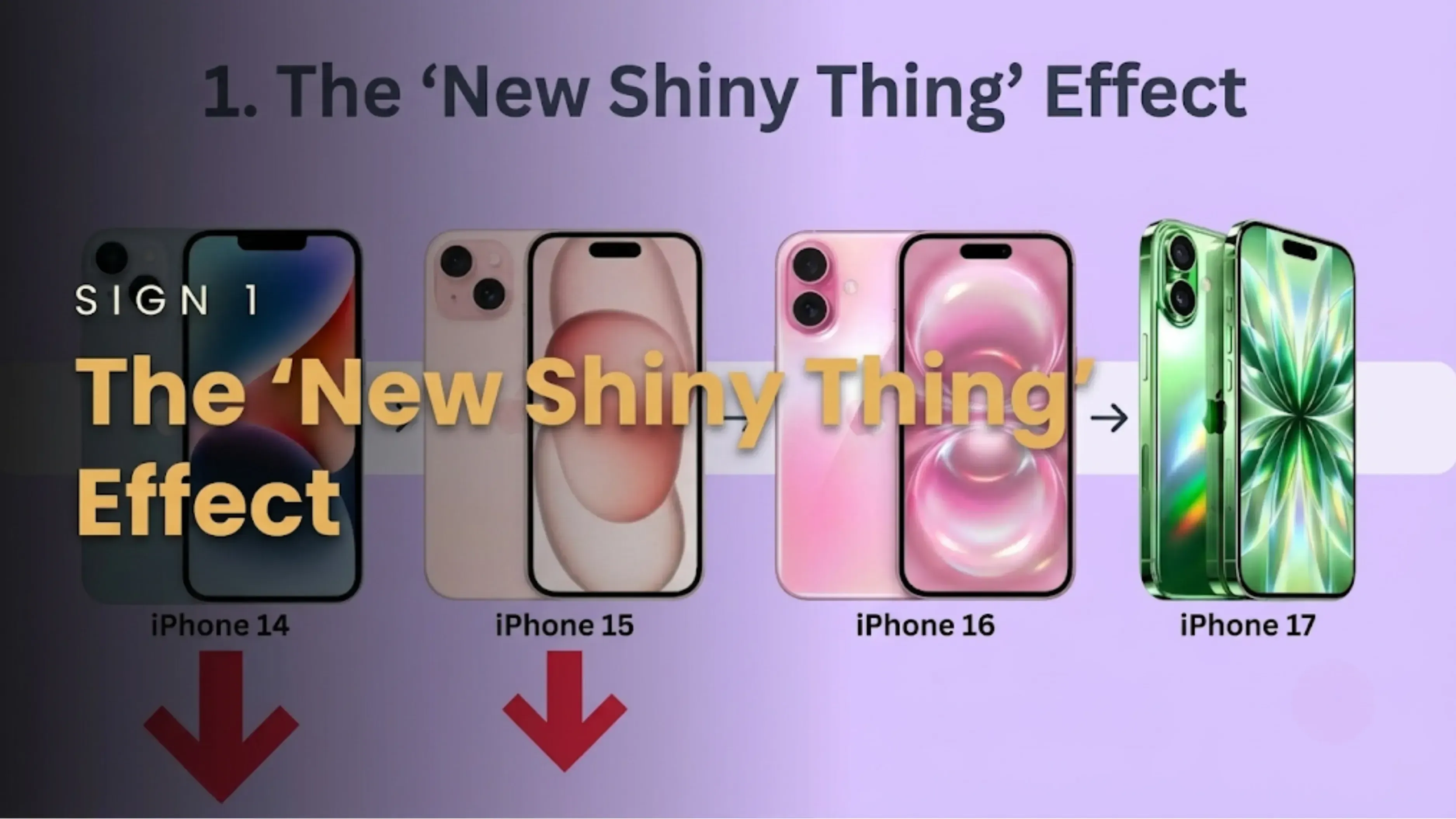
1. The “New Shiny Thing” Effect
Upgrades are released annually by Apple, Samsung, Google, and other companies.
* Quicker processors
* Improved cameras and a functional night mode * Extended battery life
* Magic-like AI features
Your present phone is still functional. However, when consumers compare it to the newest model, yours appears "old," even though it isn't. Just that lowers the cost.
2. Daily Wear and Tear Adds Up
Look, we all make an effort to maintain our devices. However, life does happen. * You let it fall once. or times.
* The battery's lifespan has decreased. * The small ding next to the charging port?
Purchasers take note. Even minor cosmetic damage can slash your resale price by 20 to 30 percent. People are picky. And honestly, if you’re buying used, you’d be picky too.
3. Software Support Dries Up
This is something that most people don't consider.
Companies push updates for a few years before gradually ceasing. No more patches for security. No further updates for iOS or Android. Applications begin to lag. Features cease to function.
Once that happens, you wouldn’t want to buy that device either. And neither will anyone else. That’s when the value really tanks.
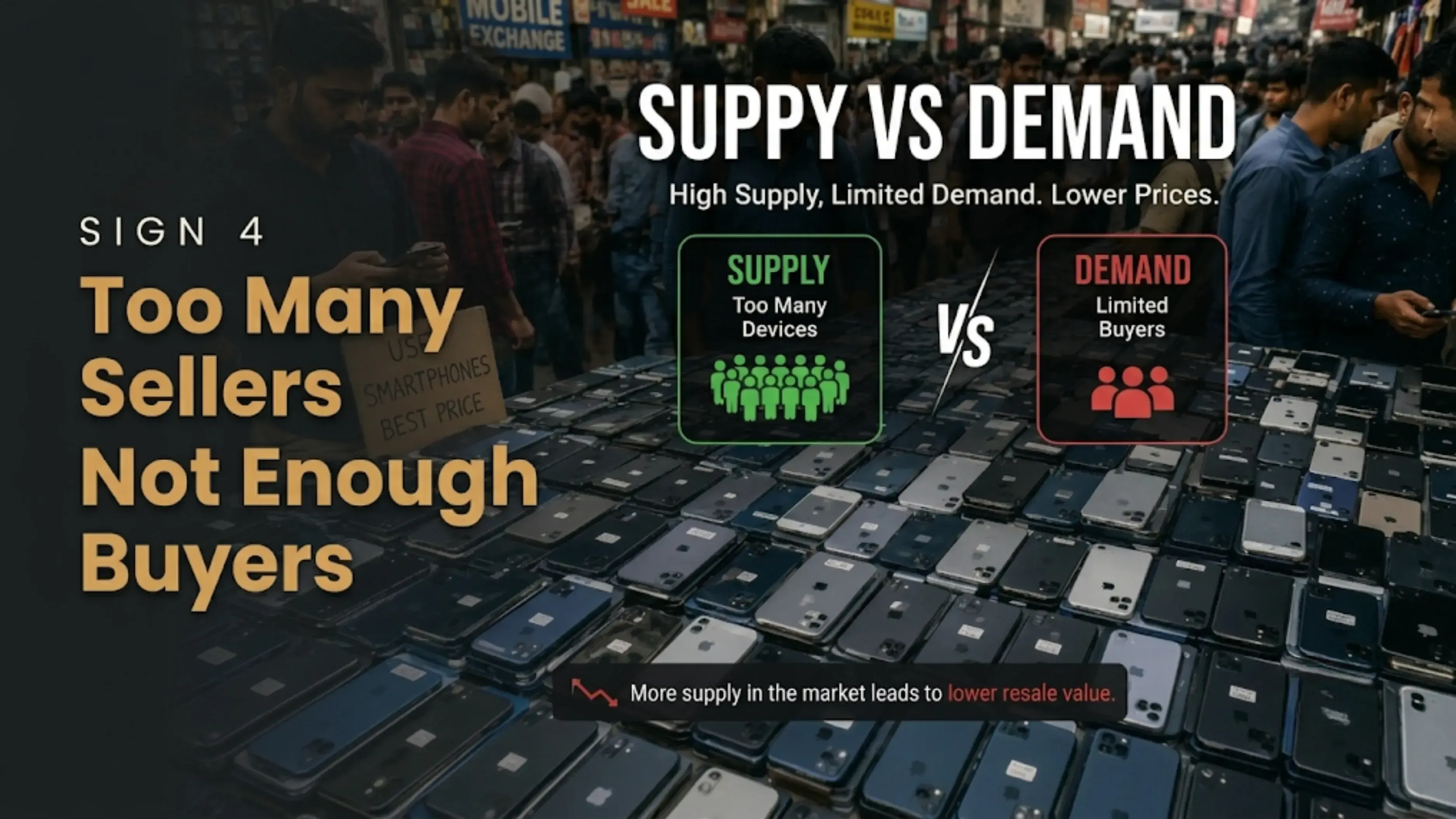
4. Too Many Sellers, Not Enough Buyers
When a new iPhone or Galaxy drops, thousands of people upgrade at the exact same time.
Suddenly, the market is flooded with used devices. Supply goes up. Demand stays the same. Prices drop like a stone.
Timing is everything. Sell before the rush, not after.
5. Battery Health Is a Silent Killer
Let’s be real. No one wants a phone that dies by 2 PM.
Battery degradation is one of the biggest turn-offs for buyers. If your battery health is below 80 percent, expect lowball offers. People will straight up ask, “How’s the battery?” before they even ask about the camera.
If you’ve been charging your phone overnight every single night and letting it overheat in the sun, you’ve been killing your resale value without even realizing it.
Let me save you from the stuff most people get wrong.
Holding Onto It “Just in Case”
I get it. You think you might need it later. But that “later” never comes. Meanwhile, your device is losing ₹500 to ₹1000 every single month sitting in that drawer.
Sell it while it still has value.
Selling After the New Launch
Biggest mistake ever.
When a new model launches, resale prices for the old one tank overnight. If you know you’re upgrading, sell your current device at least 2 to 3 weeks before the announcement.
Ignoring Minor Repairs
A cracked screen? A loose charging port? You might think, “Ah, it’s fine.”
But buyers will use that to haggle you down by thousands. Sometimes, spending ₹2000 on a screen repair can add ₹5000 to your resale value. Worth it.
What Can You Actually Do to Get More Cash?
Simple habits. Big difference.
Use a case and screen protector from Day 1.
Don’t let your battery hit 0 percent often. Avoid extreme heat.
Keep the box, charger, and bill in a safe place.
Get minor repairs done before listing it for sale.
Don’t wait too long. Sell when the device is still relevant.
Wipe your data properly. Buyers appreciate a clean, ready-to-use device.
These aren’t rocket science. But most people ignore them. Don’t be most people.
Here’s the Hard Truth: Sell Earlier, Not Later
That old phone in your drawer? It’s not an investment. It’s not going to appreciate.
Every month you wait, its value drops. Sometimes by a little. Sometimes by a lot.
If you’ve already upgraded, or if that device is just collecting dust, do yourself a favor. Check its current market price, list it, and move on. Use that cash for something that actually matters.
But honestly, if you don’t want the headache of negotiating with strangers, lowball offers, and “Is this available?” messages at 2 AM, use a trusted buyback service.
Platforms like CashKr let you check your device’s estimated value in seconds. No haggling. No weird meetups. They even erase your personal data securely as part of the process, so you don’t have to worry about your photos or passwords ending up with a stranger.
It’s quick, transparent, and way less stressful than dealing with random buyers.
Final Thoughts
Look, you can't escape the depreciation of electronics. It is integrated into the system. Old technology will always seem archaic in light of new technology.
But you don’t have to take a massive loss.
Keep your device clean. Protect the battery. Sell at the right time. And don’t hold onto stuff you don’t use. It’s literally costing you money.
If you’ve got an old smartphone, laptop, or tablet lying around, check its value today. You might be surprised how much you can still get, but only if you act before it drops even further. Platforms like CashKr make it easy to sell old electronics, get a fair price, and move on without the usual hassle.
Because honestly, that cash is way more useful in your pocket than in a drawer.
FAQ’s
1. Why do electronics lose value so much faster than other things I buy?
Easy. Technology is advancing at breakneck speed. There is already a better, quicker, and more recent version of the phone you purchased last year. Additionally, software ages, batteries deteriorate, and consumers constantly seek out the newest and finest. Electronics are designed to be replaced every few years, unlike leather bags or hardwood tables, which might last for decades.
2. Is it true that a phone loses half its value in just two years?
Simple. Technology is advancing rapidly. The phone you bought last year already has a faster, more modern version. Batteries decay, software ages, and customers are always looking for the newest and best. Unlike leather bags or oak tables, which may last for decades, electronics are designed to be replaced every few years.
3. When is the absolute best time to sell my old phone?
Right before the next generation launches. If you know the new iPhone drops in September, sell yours in August. The same goes for Samsung, Google, or any other major brand. Once the new model hits the market, resale prices for the old one crash overnight. Timing your sale right can easily get you 10 to 15 percent more money.
4. Does battery health really affect resale price that much?
Of course. One of the first things consumers inquire about is battery health. People will severely undercut you if your battery is less than 80%. A phone that requires charging twice a day is not something that anyone desires. Sometimes it costs you ₹2000 to replace the battery before selling, but it can enhance your resale value by at least ₹4000. Well worth thinking about.
5. Will factory resetting my device increase its value?
No, the cost won't go up. However, it is important. No consumer wants a phone filled with someone else's passwords, pictures, and apps. Factory resetting makes your gadget more marketable, but it doesn't increase value. You won't find a single serious buyer without it.
6. Which brands hold their value the best?
Apple and Samsung flagships generally retain their value longer than other models. iPhones, in particular, are known for better resale value because they get software updates for 5 to 6 years and have a massive second-hand market. Budget phones and lesser-known brands? They depreciate much faster. If resale value matters to you, stick to premium models from trusted brands.
7. Does physical condition really matter that much?
More than you could imagine. A small ding or damage might reduce your resale value by 20 to 30 percent. Because of their pickiness, buyers will use every defect to bargain for a lower price. The least expensive way to preserve your device's future value is to use a case and screen protector from Day 1. Although it actually costs ₹500, it can ultimately save you thousands.
8. Should I sell my old device or keep it as a backup?
Here's the hard truth. That "backup" phone sitting in your drawer is losing ₹500- ₹1000 every month. If you already have a primary device, keeping an old one "just in case" is an expensive habit. Sell it while it still has value. If you really need a backup later, you can always buy a cheap used phone for way less than what you're losing right now.
9. Are buyback platforms better than selling on OLX or Facebook?
Depending on what you value more. You can get a little higher price through OLX and Facebook, but you'll have to deal with constant haggling, no-shows, and safety issues. With no trouble, buyback sites such as CashKr offer fair payments at a lower cost. No risk, no meetings, no haggling. They even safely erase your info. Buyback platforms are the best option if you value your time and peace of mind.
10. Is it worth repairing a cracked screen before selling?
Yes, most of the time. Assume that the cost of a screen repair is ₹3000. If the damage isn't fixed, purchasers can give ₹5000 less. Thus, you spend ₹3000 and receive an additional ₹5000. That represents a net gain of ₹ 2000. Check the cost of repairs first, of course. Repairs may not be worthwhile for very old gadgets. However, repairing obvious damage is nearly always beneficial for relatively new phones.