Second hand mobile, laptop, or Phone? Here’s How to Buy Safely
Buying electronics today is no longer limited to brand-new devices. Many people now prefer second-hand options because they offer better value for money. But at the same time, one question always comes up: how to buy used electronics safely without ending up with a bad deal?
Whether you’re planning to buy a second-hand mobile, laptop, phone, or any other electronic device, the process requires a bit of caution and awareness. A smart purchase can save you money, but a rushed decision can lead to problems later.
This guide will help you understand exactly what to check and what to avoid.
Why Second-Hand Electronics Are Becoming Popular
The demand for used devices has grown rapidly in recent years. The main reasons are simple:
- New electronics are becoming expensive.
- Even older models still perform well.
- People upgrade devices more frequently.
- Budget buyers want better specifications at lower prices.
A second hand mobile or laptop can often deliver nearly the same performance as a new device if it is in good condition.
But the key is knowing how to choose correctly.
How to Buy Used Electronics Safely
If you’re wondering how to buy used electronics safely, the answer is simple: don’t rush and always inspect before buying.
Here are the most important checks.
1. Check Physical Condition Properly
The first thing you notice is the device's physical condition.
Look for:
- Scratches, dents, or cracks
- Screen damage or discoloration
- Loose buttons or keys
- Signs of repair or opening
Even a well-working device can have hidden issues if it has been poorly maintained.
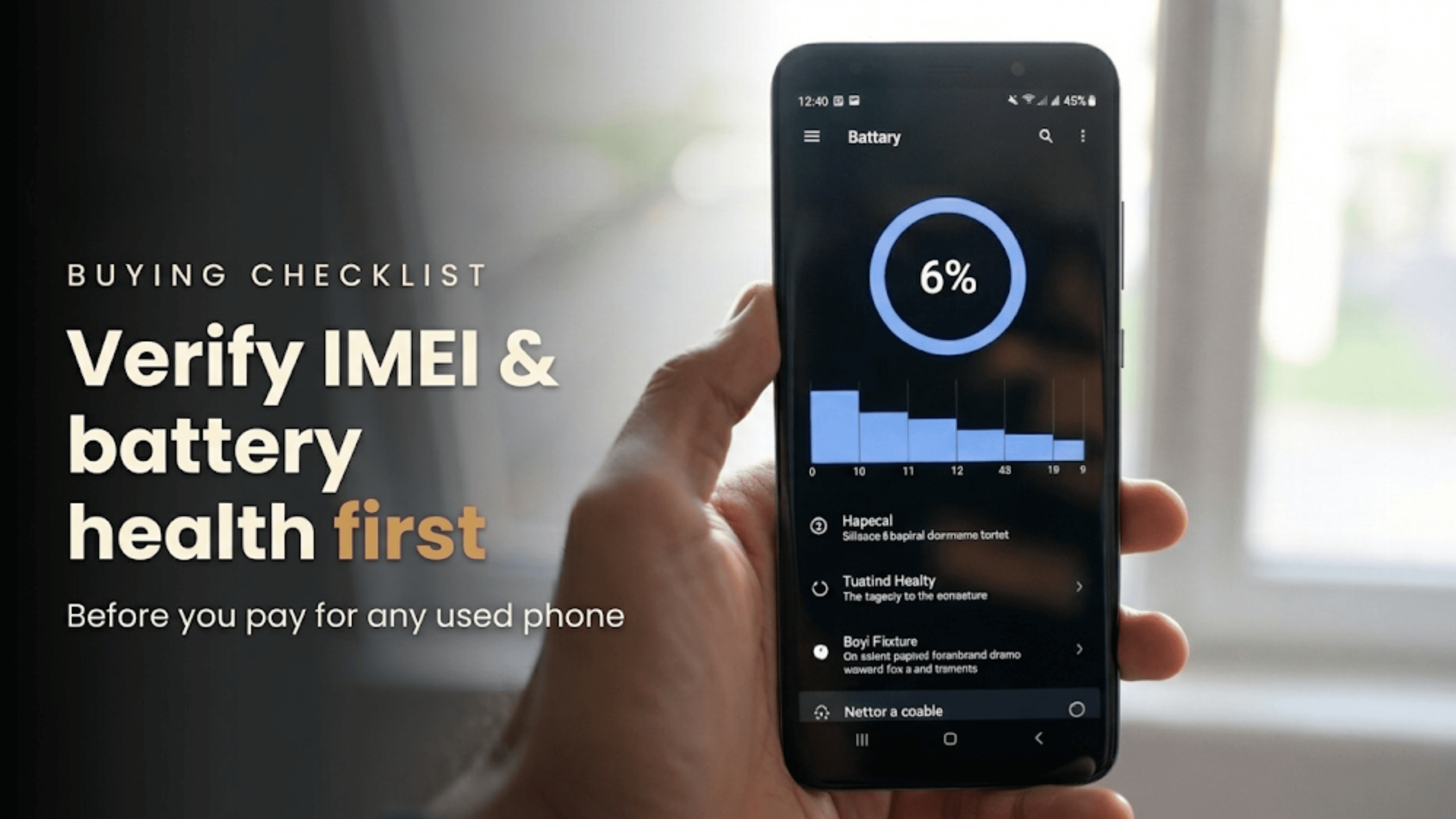
2. Test Battery Health
Battery condition is one of the most important factors, especially for a second hand phone or laptop.
Check:
- Battery backup duration
- Charging speed
- Battery percentage health (if available)
A weak battery can significantly reduce the device's overall value.
3. Verify IMEI or Serial Number
Always check the IMEI number for mobile devices.
This will verify that the cell phone you are buying is neither stolen or blacklisted.
If possible, check the serial number for validity and warranty status for computers and other electronics.
4. Test All Features Before Buying
Test. Don't miss out. Always check, even if the device looks perfect:
Camera performance , Microphone and speakers , Wi-Fi & Bluetooth , Charging port and headphone jack
Keyboard & Trackpad (for laptops)
Testing for a few minutes now will save you a lot of headaches later.
5. Ask About Usage and Repair History
This step is commonly skipped but is highly critical.
Ask seller a question:
* Has the gadget been previously repaired?
* Any parts modified? How long has it been in use?
Past performance problems?
The clearer the vendor, the safer you are.
6. Check Warranty or Return Option
Even in the second-hand market, some sellers offer limited warranty or return policies.
If available, it adds an extra layer of safety to your purchase.
If a seller avoids these questions, it is usually a warning sign.
Second Hand Mobile vs Second Hand Laptop: Key Differences
Buying a second hand mobile phone is slightly different from buying a second hand laptop, and the checks vary accordingly.
Second Hand Mobile / Second Hand Phone
Focus more on:
- Battery health
- Display condition
- Camera performance
- IMEI verification
- Software updates
Phones are used heavily every day, so wear and tear matter more.
Second Hand Laptop
Emphasize more on:
* Trackpad and keyboard status * Battery backup
* The processor speed
* Disk health (SSD/HDD)
* Heating problems
Performance stability is vital since people use laptops for long work sessions.
Common Mistakes to Avoid
Many buyers lose money because of simple mistakes:
- Buying without testing the device
- Ignoring battery health
- Not checking IMEI or serial number.
- Trusting extremely low prices
- Skipping physical inspection
If a deal feels too good to be true, it usually deserves extra caution.
How the Second-Hand Electronics Market Is Structured
The second-hand electronics market is growing quickly, but it is still not fully organized in many places. Because of this, buying and selling used devices often happens through a mix of individual sellers, local shops, and structured platforms.
On the other side you have direct person-to-person sale where devices are swapped with little verification or basic checks. But there are also more formal procedures, where devices are assessed at a basic level before they are resold or handed on.
Platforms like Cashkr exist within this structured side of the ecosystem. They help introduce a level of process to how used devices are evaluated and moved through the resale cycle. However, regardless of where a device is purchased from, the responsibility of checking its condition, such as battery health, physical damage, and performance, still remains important for the buyer.
Final Thoughts
Learning how to buy used electronics safely is not complicated. It just requires awareness and patience.
Whether you’re buying a second hand mobile, a second hand phone, or a second hand laptop, the basic rule stays the same:
- Check before you buy
- Verify everything
- Don’t rush the decision.
A good second-hand device can save you a lot of money while still delivering strong performance, but only if you choose wisely.
FAQs
1. Is it safe to buy second-hand electronics?
Yes, it is safe if you properly inspect the device and buy from a trusted seller.
2. What should I check before buying a second-hand mobile?
Check battery health, IMEI number, display condition, camera, and overall performance.
3. Is a second-hand phone worth buying?
Yes, if it is in good condition and priced fairly, it can offer great value.
4. What is most important when buying a second hand laptop?
Performance, battery backup, keyboard condition, and storage health are most important.
5. How do I avoid scams when buying used electronics?
Always review gadget details. Test the product. Don’t provide unrealistic discounts.
6. Should I buy used electronics without a warranty?
It can be done, but at least a short warranty or a return is safer.
7. Can second-hand devices last long?
Yes, they can survive for a few years if well cared for.
8. What is the biggest risk in buying used electronics?
Usually it’s risk of hidden damage or poor battery health.
9. Are refurbished and used electronics the same?
No. Refurbished electronics are tested and mended Used gadgets are sold as they are
10. Where is the safest place to buy second-hand electronics?
Generally, trusted merchants or structured platforms are safer than unverified individual sellers.
Also to check the value of your old unused electronics click here  Yaskar Jung ShahUpdated: Aug 11, 2026·7 min read