The Hidden Cost of Buying a Cheap Smartphone: Why Low Price Is Not Always Better
Buying a smartphone is often treated as a simple decision: find a device with good specifications at the lowest possible price. For many buyers, affordability becomes the biggest deciding factor, especially when smartphone prices continue increasing.
But the most affordable smartphone on the market isn’t always the smartest financial move. Budget smartphones can seem appealing because of the cheaper upfront cost, but they can have hidden costs down the line. A inexpensive smartphone may be costly in the long term due to faster depreciation, less software support, inferior performance, battery difficulties and poor resale value.
A smarter buyer does not only ask, “How much does this phone cost today?” They also consider, “How much value will this phone provide throughout its lifetime?”
Understanding the real cost of owning a smartphone can help you make better decisions and choose a device that delivers value beyond its purchase price.
The Real Cost of a Smartphone Goes Beyond Its Purchase Price
When you purchase a smartphone, that price tag is just one portion of the overall cost. The real cost of ownership comprises how long the gadget is usable, maintenance costs, repair costs and its potential resale value.
For example:
Smartphone A
- Acquisition price: Rs. 35,000
- Effective life: 4 years
- 2-year resale value: ₹15,000
Smartphone B
- Buying price: ₹20,000
- Usable life: 2 years
- Resale value after 2 years: ₹3000
Although Smartphone B is cheaper initially, the user may need to replace it sooner and recover very little money when selling it.
The true price of a smartphone is demonstrated by:
Actual Ownership Cost = Purchase Price - Resale Value
So, at times, a more expensive phone is actually the smarter financial move. A longer-lasting, more expensive item may reduce your total upgrade cost.
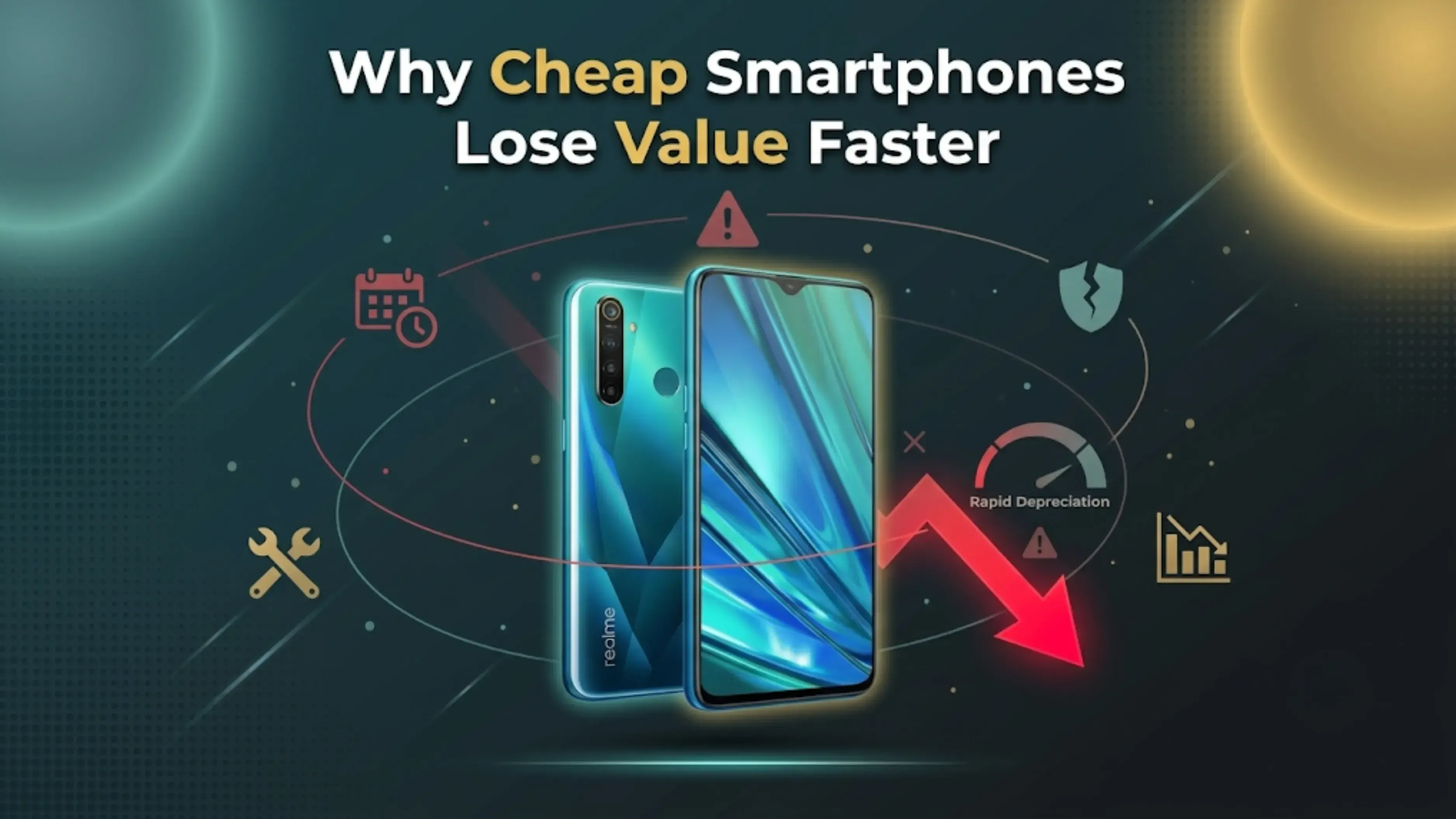
Why Cheap Smartphones Often Lose Value Faster
One of the biggest hidden costs of buying a budget smartphone is depreciation.
Smartphone depreciation refers to how much value a device loses after purchase. Every smartphone loses value over time, but the speed of depreciation depends on several factors.
Smaller devices tend to depreciate faster because:
- Not as much demand in the used market
- They get fewer software updates
- Their hardware grows obsolete rapidlyBuyers choose newer models with superior features
- The expense of repairs may be more than they are worth
When it is time to upgrade, owners of low-cost smartphones often find that their device has very little resale value.
On the other hand, smartphones with strong brand demand, reliable performance, and longer software support usually maintain better smartphone resale value.
Hidden Problems With Buying an Extremely Cheap Smartphone
A low price can be attractive, but buyers should understand what they may compromise.
1. Limited Software Support
Software updates play an important role in the lifespan of a smartphone.
Lower-cost smartphones tend to see less frequent significant updates than expensive phones. This can, over time, lead to security vulnerabilities, incompatibilities with newer programs, lower device performance and a faster replacement cycle.
A phone that’s slow to get upgrades can become old even if its hardware still works.
2. Performance Problems Over Time
Budget smartphones are often designed to handle basic tasks, but performance requirements continue increasing.
As applications become more advanced, phones with weaker processors may experience slow app loading, lag during multitasking, reduced gaming performance, and poor long-term usability.
A smartphone that feels fast when new may struggle after a few years if its hardware cannot keep up with changing software demands.
3. Battery and Hardware Quality Concerns
One of the most essential variables that determine the usability of smartphones is battery health.
Some budget smartphones may employ lesser quality parts which might compromise battery life, charging ability, screen quality and overall durability.
A battery that loses capacity quickly can reduce the daily usability of a phone and decrease its resale value.
4. Lower Resale Value
One of the biggest disadvantages of cheap smartphones is their limited resale demand.
Generally, when people upgrade, they are hoping to make some money by selling their previous equipment. But affordable smartphones are sometimes worth very little on the second-hand market. New models come out all the time, similar phones can be bought cheaper elsewhere, customers want the latest features, and parts for repairs can be hard to come by.
A smartphone with better resale value gives owners more financial flexibility when upgrading.
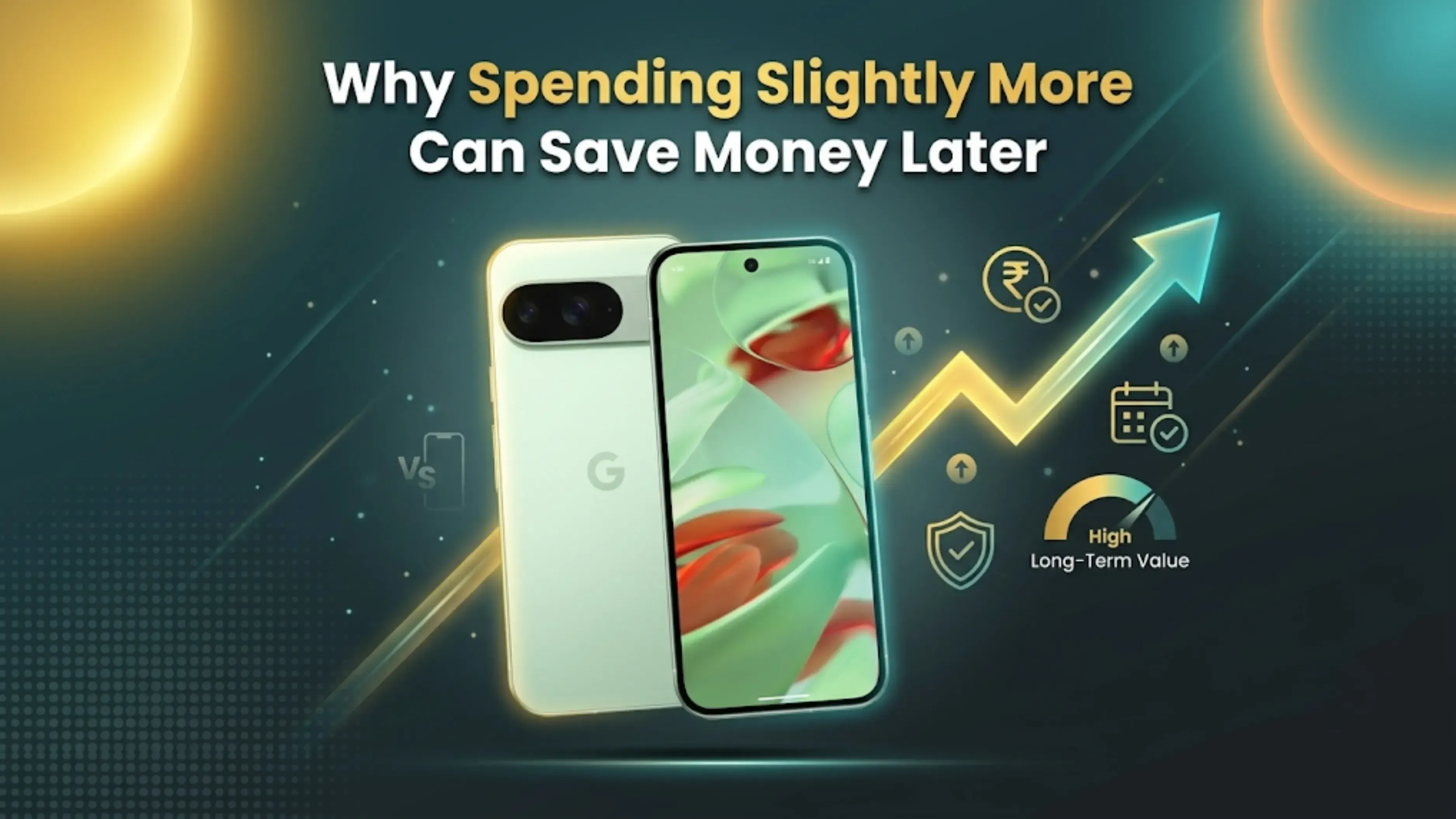
Why Spending Slightly More Can Save Money Later
Many buyers assume that spending more on a smartphone automatically means paying extra. However, the long-term value of a device is often more important than its initial price.
A significantly more expensive smartphone might have:
Better Performance
A phone with a more powerful processor can run more smoothly for longer periods.
Longer Software Support
Frequent updates improve security and usability.
Better Build Quality
Durable materials can reduce repair costs and improve resale value.
Higher Resale Demand
Popular smartphones are easier to sell when you decide to upgrade.
Instead of choosing a smartphone only based on affordability, consider whether it will continue providing value two or three years later.
How to Choose a Smartphone That Gives Better Value
A smart smartphone purchase requires looking beyond advertisements and specifications.
Understand Your Requirements
Choose a phone based on your actual usage. If you mainly use your phone for calling, social media, browsing, and streaming, you may not need expensive flagship features. However, gamers, content creators, and professionals may benefit from investing in better hardware.
Check Long-Term Support
Before buying , be sure to investigate the software update policy , the reliability of the brand , the customer service and the availability of repairs . You want a smartphone to be useful for a few years, not just when you get it.
Consider Resale Value
A good resale value smartphone helps cut future upgrade costs. Popular models, good condition, great battery health, higher storage options and original accessories all boost resale value.
Thinking about resale value before buying helps you make a more financially practical decision. This is how you find the best value smartphone.
Should You Sell Your Old Phone Instead of Buying a Cheaper Upgrade?
Many users continue using old smartphones or keep them unused after upgrading. However, an old device still has value and can help reduce the cost of purchasing a new one.
Instead of choosing a very cheap replacement phone, users can sell their existing smartphone and use that amount toward a better device.
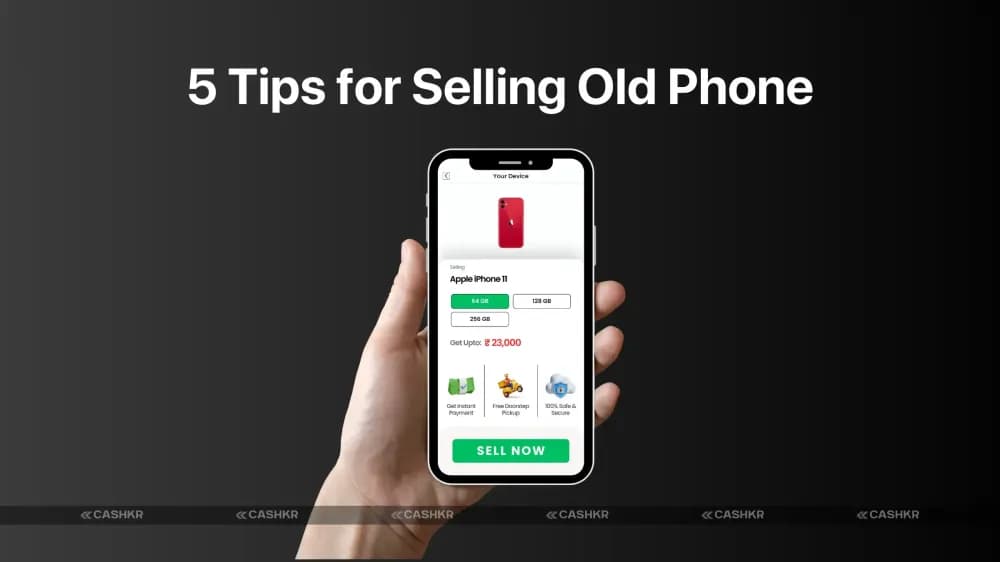
Platforms like Cashkr help users check the value of their old smartphones and sell their devices conveniently. By recovering value from an unused phone, users can upgrade to a better smartphone without increasing their budget significantly. Selling your old smartphone at the right time is important because resale value usually decreases as new models launch, battery health declines, software support ends, and demand reduces.
A smart upgrade strategy involves maximizing the value of your current device before purchasing a new one.
Smart Tips Before Buying a Budget Smartphone
If you are looking for an economical smartphone, keep these things in mind:
- Don’t just chase the lowest price
- Look at long term performance
- Support for research software updates
- Resale value comparison
- Think total cost of ownership
- Select dependable brands and models
- Keep your device in good condition.
The cheapest smartphone may save money today, but a better-value smartphone can save money over time.
Final Thoughts
Buying a smartphone is not just about the lowest price. A good buy takes performance, durability, software support, maintenance costs and future resale value into account.
While a low-cost smartphone may appear inexpensive at first glance, there are hidden expenditures that can accumulate over the life cycle of the device. Higher upgrade costs later because of faster depreciation, fewer updates and a lower resale value.
Buyers should not only look at the buying price but also the total value that a smartphone offers. If you pick a product that will have more longevity and be more desirable on the resale market, you can save money in the long run.
Bottom line: Users can update smartly and save costs. Cashkr helps people get value back from outdated devices. Buying decisions can be informed.
FAQ’s
1. Is buying a cheap smartphone worth it?
A cheap smartphone can be a good choice for basic users, but buyers should consider long-term performance, software support, durability, and resale value before making a decision.
2. What are the disadvantages of buying a budget smartphone?
Common downsides include shorter software support, less performance over time, less quality hardware, and poor resale value.
3. Why do cheap smartphones lose value quickly?
Budget smartphones often lose value faster because of lower demand, frequent new launches, limited updates, and reduced interest in the used market.
4. Is an expensive smartphone always better than a cheap one?
Not always. The best smartphone depends on your needs. However, devices with better performance, durability, and resale value often provide better long-term value.
5. What is smartphone ownership cost?
Smartphone ownership cost includes the purchase price, maintenance expenses, repair costs, and the value lost through depreciation.
6. Should I buy a cheap phone or an older flagship smartphone?
An older flagship smartphone can sometimes provide better value because it may offer stronger performance, better cameras, and longer usability compared to a new budget device.
7. How long does a cheap smartphone usually last?
The lifespan depends on how you use and maintain it . However , the lifespan of cheaper smartphones can become outdated quicker due to less hardware capability and software support .
8. What should I check before buying a budget smartphone?
Think about CPU performance, software updates, battery quality, storage options, brand reputation and resale potential.
9. Can selling my old phone help me buy a better smartphone?
Yes. Selling your old smartphone allows you to recover some value and reduce the amount you need to spend on your next device.
10. How can I increase my smartphone’s resale value?
Maintain battery health, protect the device from damage, keep accessories, avoid unnecessary repairs, and sell the phone while it still has market demand.
Also Read : Refurbished iPhone 15 Price in India 2026: Where to Buy & What to Check
Also Read : iPhone 15 Pro Second-Hand Price in India 2026: Resale Value