OnePlus OxygenOS Discontinued: What This Means for You
If you have been following OnePlus for some time, you are already aware that the discontinuation of OnePlus OxygenOS represents more than simply a headline. An era is essentially coming to an end. OxygenOS was OnePlus phones' secret sauce for many years. For many of us, it was more than just software that kept us around. It was tidy, quick, and surprisingly similar to standard Android, giving the impression that the company genuinely cared about its customers.
But things change. And this time, the change is pretty big.
OnePlus has officially confirmed that it’s moving away from OxygenOS and shifting focus to Oppo’s ColorOS. Yep, OxygenOS ending is no longer just a rumour floating around tech forums. It’s real. And while this might sound alarming at first, let’s take a step back and figure out what’s actually going on.
So, Is It Really Over for OxygenOS?
Technically, yes. Future OnePlus devices will run on ColorOS. The company isn’t calling it a merger anymore; it’s a full transition. The writing’s been on the wall for a while now, especially after Oppo and OnePlus started sharing more code and resources behind the scenes. But now it’s official:
This does not imply that your phone is out of date. You will still receive updates, patches, and support if you have a current OnePlus device. But going forward, the software experience? That will be ColorOS in its entirety.
Why Is OnePlus Making This Move?
Everyone is asking the same question. In all honesty, it makes a lot of sense from a business standpoint.
1. Faster Rollouts
It is costly and time-consuming to maintain two different operating systems. Oppo and OnePlus can release upgrades more quickly and consistently by consolidating everything under one roof.
2. Better Features, Sooner
You can concentrate on creating a single platform that is truly exceptional when you are not dividing resources. This implies the release of new tools, more intelligent AI features, and speedier security patches.
3. Ecosystem Harmony
Oppo has been developing an entire ecosystem that includes wearables, tablets, and earbuds. All of these gadgets work well together when the operating system is unified. To be honest, that's starting to become the standard.
4. Cost Efficiency
Simplifying development saves money, let's face it. And that matters in a market that is competitive.
Therefore, even though purists are upset about the OnePlus OxygenOS being discontinued, the company's reasoning is rather obvious.
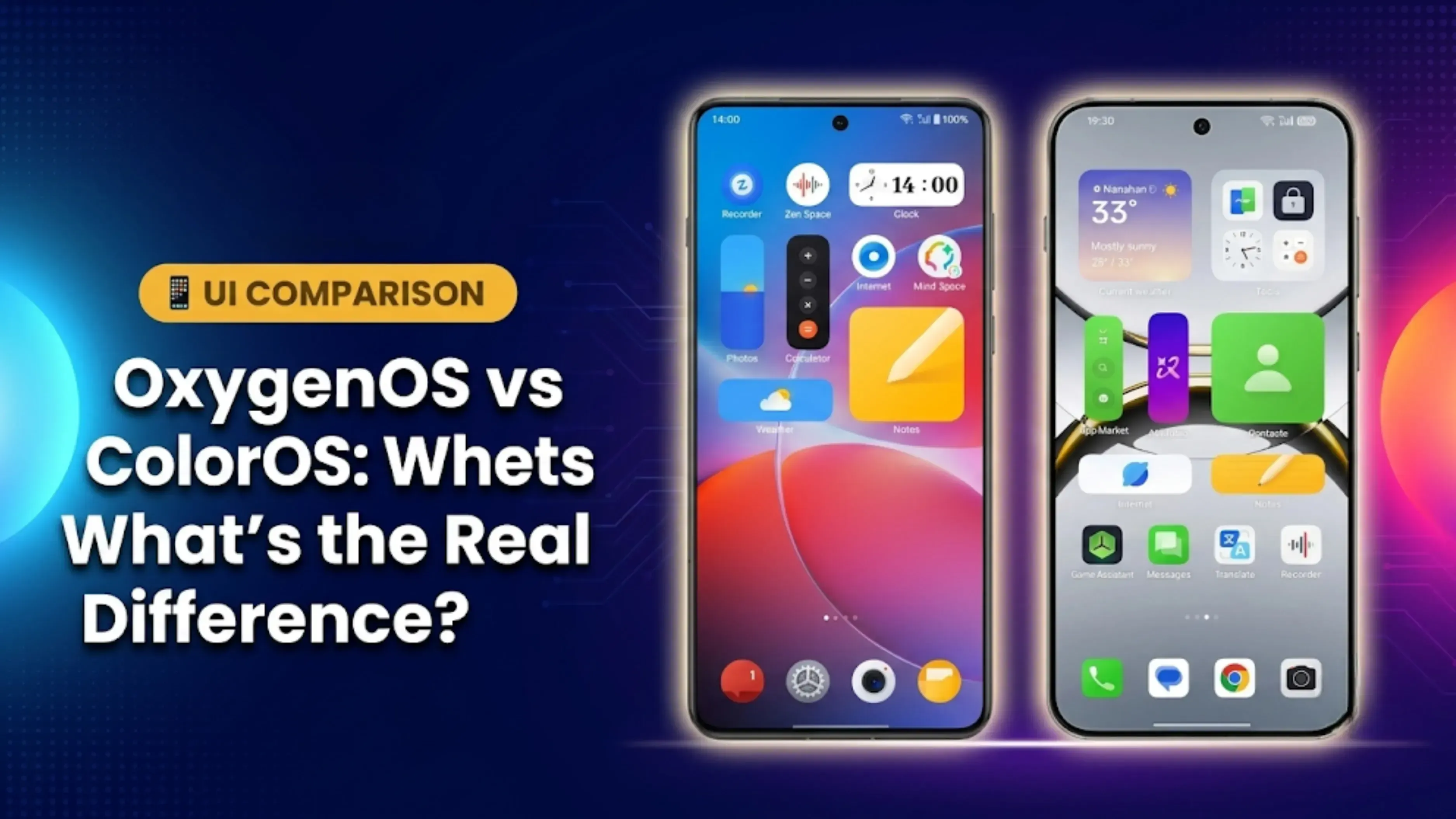
OxygenOS vs ColorOS: What’s the Real Difference?
Let's dissect this without using any technical terms.
OxygenOS was adored for being simple, lightweight, and essentially stock Android with a few well-considered adjustments. Smooth performance without any bloat or fuss.
ColorOS, on the other hand, is more feature-heavy. Think richer animations, more customisation options, and a UI that feels a bit more polished, but also a bit more layered.
So when we talk OxygenOS vs ColorOS, it really comes down to preference. Do you want simplicity? Or do you want more bells and whistles?
The difference may not even be apparent to the typical user. But what about the ardent OnePlus enthusiast who was enamored with that smooth, buttery stock-like experience? Yes, it hurts a little.
What About Existing Users?
Relax. Your phone isn’t going to brick itself overnight.
If you’re currently using a OnePlus device, you’ll continue receiving OnePlus software update cycles as promised. Android upgrades, security patches, all of that stays intact.
However, over time, you might notice the UI starting to lean more toward ColorOS design. It won’t happen all at once, but gradually, the lines will blur.
So if you’re someone who’s deeply attached to the OxygenOS look and feel, it might be worth holding onto your current device a little longer, or at least keeping an eye on how future updates shape up.
Will OnePlus Still Be Worth Buying?
The short answer is "yes."
The long answer is that it depends on your values.
With excellent displays, fast charging, flagship performance, and ever improving cameras, the hardware is still reliable. That's what matters to most people.
However, you might want to wait and see how things work out before upgrading if you're among those who purchased a OnePlus primarily due to its software identity.
If you choose to upgrade nevertheless, here's some advice: find out how much your existing phone is worth before making the switch. It's really simple to acquire a reasonable estimate and convert your old equipment into cash with platforms like CashKR. CashKR makes it easy to get the most out of your old phone, whether you're transferring manufacturers or simply upgrading to a newer OnePlus model. Decluttering your drawer while making some extra cash is easy, transparent, and surprisingly pleasant.
Consider CashKR as that friend that makes it easy for you to part with outdated technology since, really, there's no reason to let a perfectly excellent phone collect dust when you can use it to pay for your next update.
The Bigger Picture
This is not limited to OnePlus. The whole smartphone market is moving in the direction of networked ecosystems. With your phone, watch, tablet, and buds all seamlessly synchronized, brands want you to remain within their gated garden.
By unifying software, Oppo and OnePlus are positioning themselves for that future. It’s less about individual devices and more about how they all work together.
But the challenge? Keeping that OnePlus magic alive.
If the transition is handled well, preserving that smooth, responsive feel, most users won’t even care what the OS is called. If it feels clunky or bloated, though, the backlash could be loud.
Should You Upgrade Right Now?
If your current phone is working fine, there’s no need to rush.
But if you’re already eyeing a new device, do your homework. Check how future updates are shaping up, compare models, and here’s that CashKR reminder again, always check what your old phone is worth before buying a new one.
CashKR focuses on making better upgrading choices in addition to selling. You may make wiser financial decisions and select a phone that truly meets your needs rather than just the hype if you are aware of its resale value.
Final Thoughts
And yes, the death of OnePlus OxygenOS is a big deal. It’s a big alteration in the identity of the brand and sentimental for loyal fans.
But OnePlus isn’t going away. It’s the beginning of a new chapter, which might translate into enhanced features, quicker upgrades and a more seamless experience.
Whether that’s good or bad? Time will tell.
For now, keep using your phone, stay updated on OnePlus latest news, and when the time comes to upgrade, remember: sell smart, buy smarter.
And if you’re wondering where to start, CashKR has your back.
FAQs
1. Is OnePlus OxygenOS discontinued officially? Yes. OnePlus has announced that future software development would be moved to ColorOS, ultimately eliminating OxygenOS as a distinct OS.
Advertisement
2. Why is OnePlus switching to ColorOS? The business intends to make the development more efficient, make updates faster and create a single platform for all of Oppo’s brands.
3. Will my current OnePlus phone stop working? No. Current devices will continue to receive updates as per OnePlus’ support policy.
4. Which is better, OxygenOS or ColorOS? It depends. OxygenOS is cleaner and more minimal, while ColorOS offers more features and customisation. It’s really about personal preference.
5. Will OnePlus phones still get Android updates? Yes. Eligible devices will continue receiving Android version upgrades and security patches.
6. Are OxygenOS and ColorOS already similar? Yes. Over time, the two have shared a lot of underlying code, so the gap isn’t as wide as it used to be.
7. Will OnePlus lose its identity now? That’s the big question. It depends on how the company differentiates its user experience moving forward.
8. Should I upgrade my OnePlus phone immediately? Not unless you need to. Your current device is still fully supported.
9. How will future OnePlus phones be different? They will presumably run a version of ColorOS with deeper integration with Oppo’s ecosystem.
10. What should I do before upgrading? examine software support, compare your options. Always examine the resale value of your current phone using a trusted company like CashKR before you decide.