Realme UI Discontinued? Why Realme Is Moving Closer to Oppo’s ColorOS
Realme has built a strong reputation in the smartphone market by offering feature-packed devices at competitive prices. Alongside its hardware, the company’s software experience, known as Realme UI, has played an important role in shaping the user experience across its smartphones.
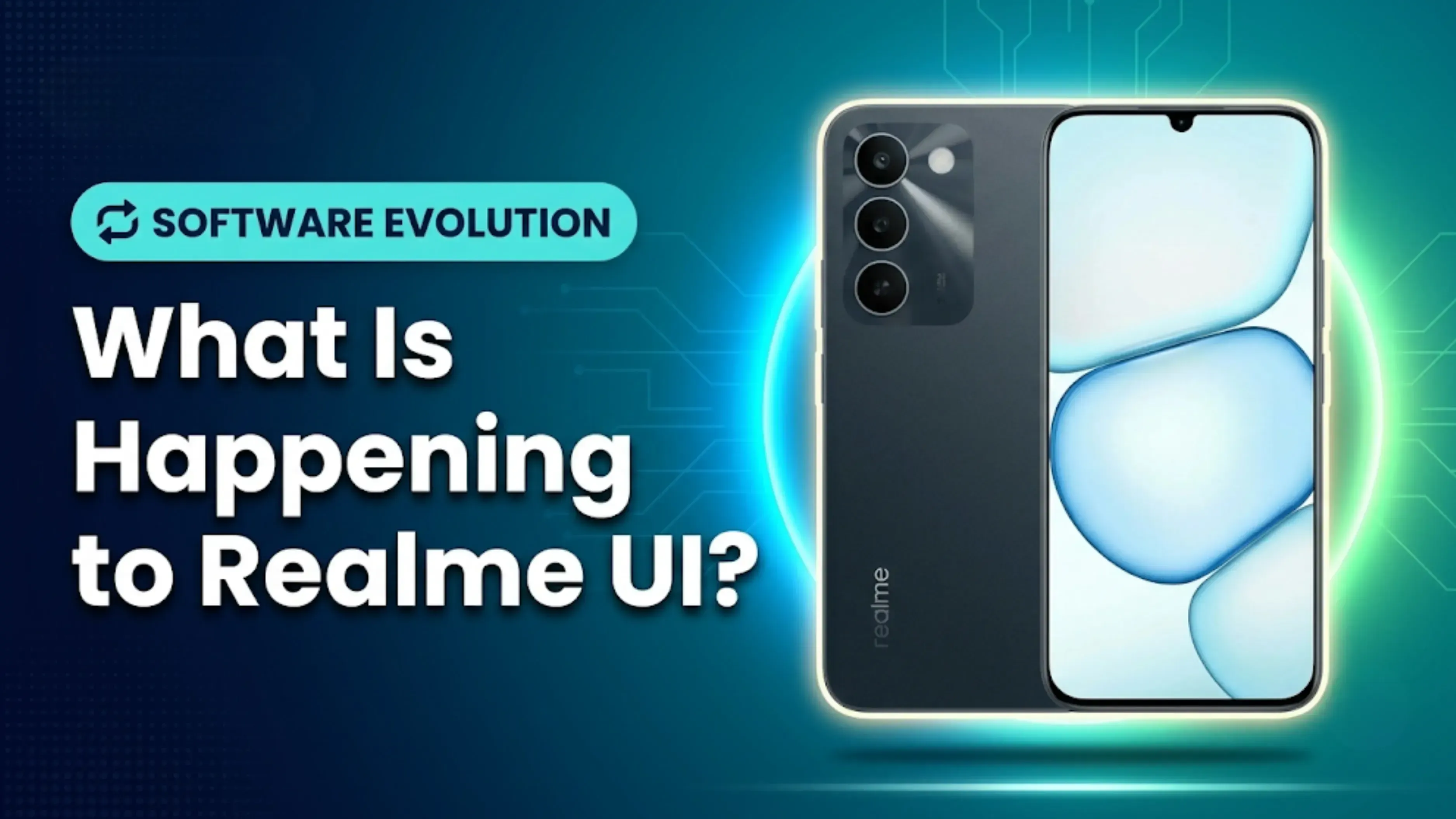
However, recent developments suggest that Realme moving to ColorOS is more than just a rumor. The brand is quietly shifting closer to Oppo’s software platform, and that has naturally led to one big question: Is Realme UI discontinued?
The switch may not be as drastic as OnePlus’ move away from OxygenOS, but it’s still a big change in Realme software direction. So what is really going on? Why is Realme moving to ColorOS? How will this impact current and future Realme smartphones?
. Since Realme is part of the same corporate ecosystem as Oppo, both brands have often used similar software frameworks and technologies.
Over the years, Realme UI evolved into its own branded experience, featuring unique design elements, customization options, and exclusive features. However, reports indicate that future software development may become increasingly unified under the ColorOS platform.
This means future Realme smartphones could adopt a software experience that is even more closely aligned with Oppo’s operating system. So while Realme UI discontinued might not be the official phrasing yet, the writing is on the wall.
Why Is Realme Switching to ColorOS?
There are many explanations for this change. Realme moving to ColorOS: Wondering why? Here’s the explanation.
1. Faster Software Updates
It costs a lot of engineering resources to develop and maintain various operating systems. “Having a common software platform can improve efficiency and make updates easier.
2. Consistent User Experience
A unified software strategy implies a more consistent experience across devices, especially for those users who own many items inside the Realme ecosystem.
3. Improved Feature Rollouts
When brands share a common platform, new features can be introduced more quickly across multiple devices. This means ColorOS features could reach Realme users faster than before.
4. Better Ecosystem Integration
Smartphones are progressively becoming part of broader ecosystems that include smartwatches, earphones, tablets, and other connected gadgets. A single smartphone operating system can facilitate communication between various gadgets.
Realme UI vs ColorOS: How Different Are They?
Unlike OxygenOS vs ColorOS, the gap between Realme UI and ColorOS has never been particularly large.
In fact, many users have often noticed similarities between the two interfaces.
Realme UI
Customisable interface
Gaming-focused features
Advertisement
Kids design
Customized visual elements
Exclusive Realme enhancements
ColorOS
Extensive customisation
All features
Integrations with the ecosystem
Tools for organizing
AI-enabled features
Because the two Android skin options already share many similarities, most users may not experience a dramatic change during the transition.
What Does This Mean for Current Realme Users?
If you’re currently using a Realme smartphone, there is no immediate reason for concern.
Existing devices will continue to receive Realme software update cycles based on the company’s support policies. Day-to-day functionality will remain unchanged, and users can continue using their devices as normal.
That said, we could see more ColorOS-inspired design elements, functionality, and system optimizations in future versions. Therefore, Realme UI has never just disappeared; it has been gradually evolving.
For many users, these changes may actually improve the overall software experience through faster updates and access to newer features.
Why Some Users Are Concerned
Even though Realme UI and ColorOS are closely related, some users still have concerns.
Some common questions:
Does Realme lose its own identity?
Will the user interface be comparable to Oppo phones?
Will Realme-Only features disappear?
Will the mobile user experience be dramatically altered with future updates?
These concerns are understandable, especially among long-term Realme users who have become familiar with the brand’s software style.
However, Oppo and Realme are still expected to maintain certain brand-specific features and customizations that distinguish their smartphones from one another.
What Are the Potential Benefits?
The transition to ColorOS could bring a few advantages.
Faster Security Updates
A single platform can aid in deploying security upgrades across devices.
Improved Stability
Software teams can focus on optimizing a single platform rather than maintaining multiple versions.
More Features
Users may gain access to additional tools and enhancements developed for the broader ColorOS platform.
Better Device Connectivity
As Realme expands its ecosystem of products, software integration will become increasingly important.
What Does This Mean for Future Realme Phones?
Future Realme smartphones are likely to feature a software experience that shares even more similarities with ColorOS.
However, this doesn’t necessarily mean every Realme phone with ColorOS will feel identical to an Oppo device.
Manufacturers often customize shared platforms with unique themes, apps, and features to preserve brand identity. Realme will likely continue differentiating itself through hardware innovation, pricing strategies, gaming features, and youth-focused design.
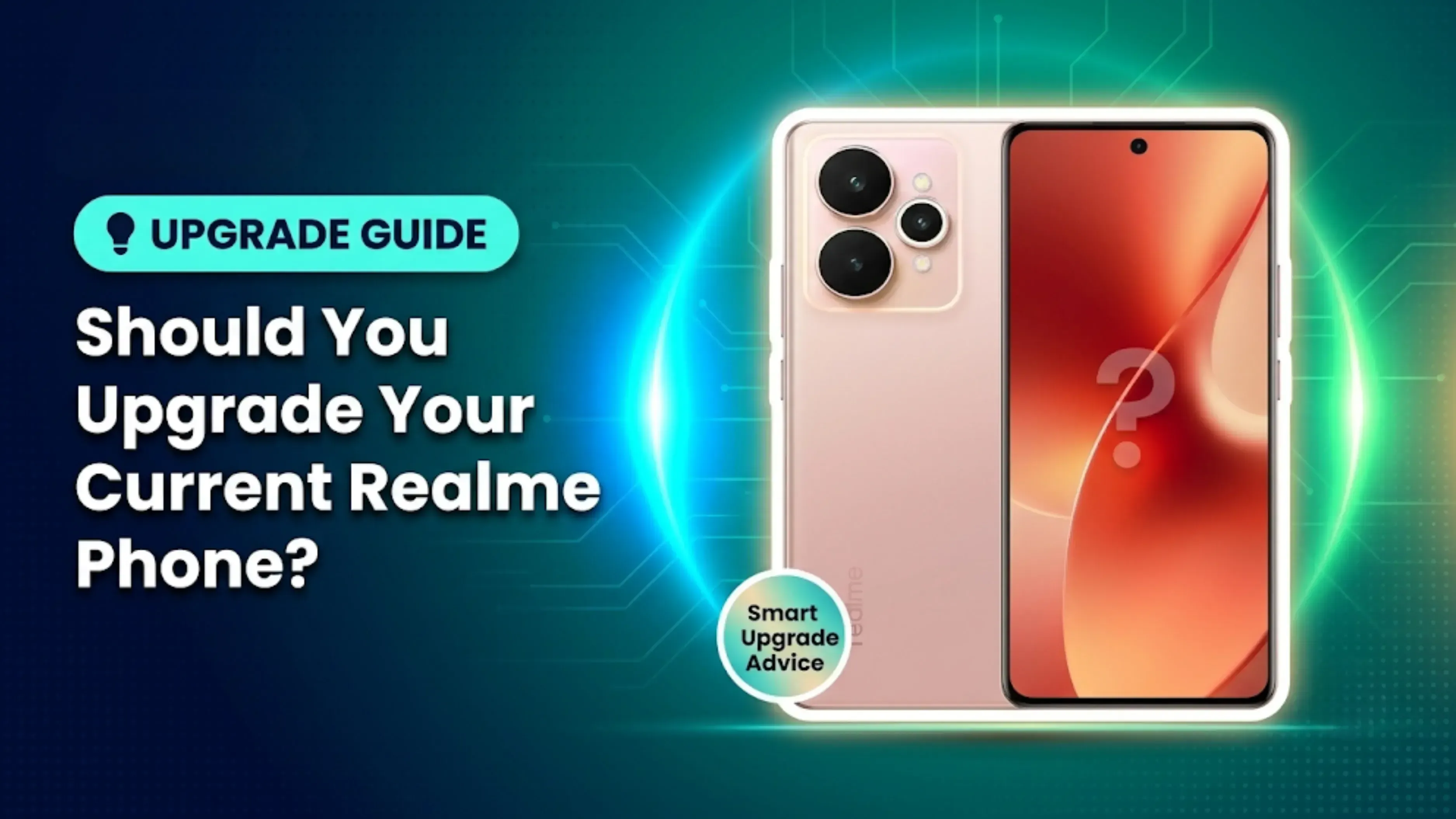
Should You Upgrade Your Current Realme Phone?
The software transition alone shouldn’t be the deciding factor when upgrading.
Instead, users should consider:
Realme software update support time frame and policy
Battery health
Performance criteria
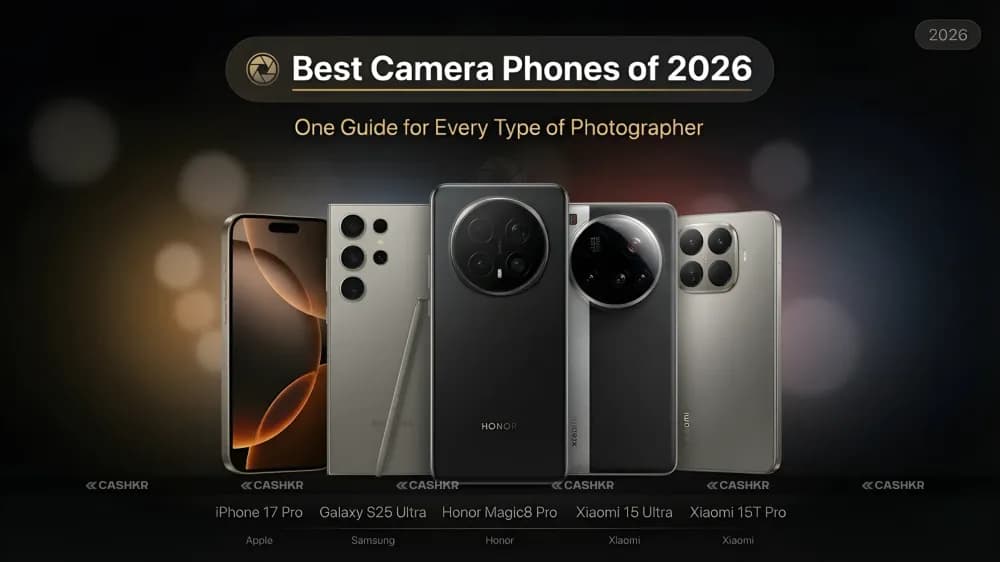
Camera enhancements
New features in the latest model
If you are thinking about upgrading, then the resale value of your current smartphone can help cut the expense of moving to a newer handset. There are platforms like CashKR where you can check how much your current phone is worth and then trade it in for cash before buying a new one.
CashKR makes it fast and easy, whether you decide to upgrade to the newest Realme or try another brand. It’s an easy way to organize, get some additional money, and make your next buy a little easier on the wallet. Think of it as giving your old phone a second life and funding your new one, guilt-free and hassle-free. The greater picture
Realme’s shift to ColorOS is part of a bigger trend in the smartphone industry. Brands are looking at unified ecosystems, faster software upgrades and better cross-device experiences.
For Realme users, the transition is unlikely to be disruptive because Realme UI and ColorOS have shared a close relationship for years.
While some users may miss the independent branding of Realme UI, the benefits of faster updates, improved stability, and stronger ecosystem integration could outweigh those concerns.
Ultimately, the success of this transformation will hinge on how effectively Realme can find a balance between software unity and its unique character, the same thing that enabled it to grow into one of the world's biggest smartphone makers.
FAQ’s
1. Is Realme UI discontinued?
Realme is moving closer to Oppo’s ColorOS platform, and future software development may become increasingly unified. So while not officially discontinued, the standalone identity of Realme UI is evolving.
2. Why is Realme switching to ColorOS?
The change is designed to increase software efficiency, accelerate upgrades, and reinforce ecosystem integration.
3. Will existing Realme phones continue receiving updates?
Of course, the eligible Realme devices will keep receiving updates as per the company’s support policy.
4. Is ColorOS better than Realme UI?
Both these platforms share a lot in common. Which one is better depends on what you like and what features you require.
5. Will Realme phones become identical to Oppo phones?
Not always. Realme will likely retain some of the brand features and look.
6. Will users notice major changes?
Most users may notice only minor differences because Realme UI already shares many features with ColorOS.
7. Are Realme UI and ColorOS related?
Yes. Realme UI was based on ColorOS, but it was built on a foundation that was very much Realme’s.
8. Should Realme users upgrade immediately?
No. Existing devices will continue to work and be supported.
9. What benefits could users receive from this change?
The benefits it might provide include faster updates, more reliability, more functionality, and better integration with the ecosystem.
10. What should users consider before upgrading?
Check your current phone’s resale value, battery health, performance demands, and software support on trusted buyback sites like CashKR.