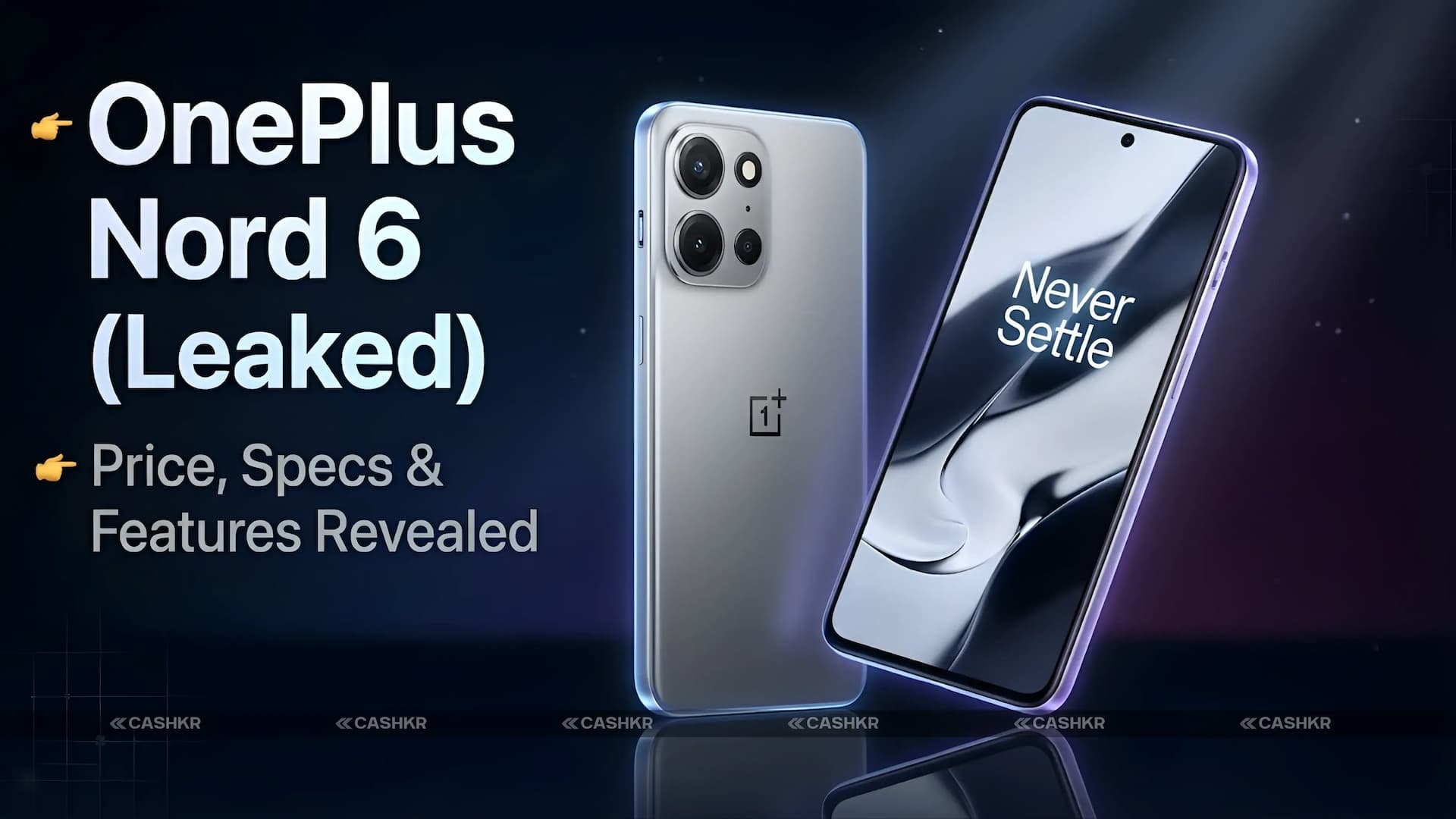
OnePlus Nord 6: The Leaks Are Out and It Looks Promising
The OnePlus Nord series has always been a great choice for people who want top performance without spending too much.
The Nord 5 delivered on that promise, and the Nord 6 looks set to do even better.
Leaks and benchmark results are already out, and they show some exciting features: a Snapdragon 8s Gen 4 chipset in a mid-range phone, a 165Hz AMOLED display with 1,800 nits brightness, and Android 16 right from the start. All this is expected to start at Rs. 34,999.
Is it worth waiting for? Here’s a full look at everything we know so far about the OnePlus Nord 6.
Quick Summary: Expected price Rs. 34,999 to Rs. 36,999 | Snapdragon 8s Gen 4 | 6.78-inch AMOLED 165Hz display | Up to 12GB RAM | 50MP dual rear camera | Android 16 | India launch expected in 2026
Expected Price in India
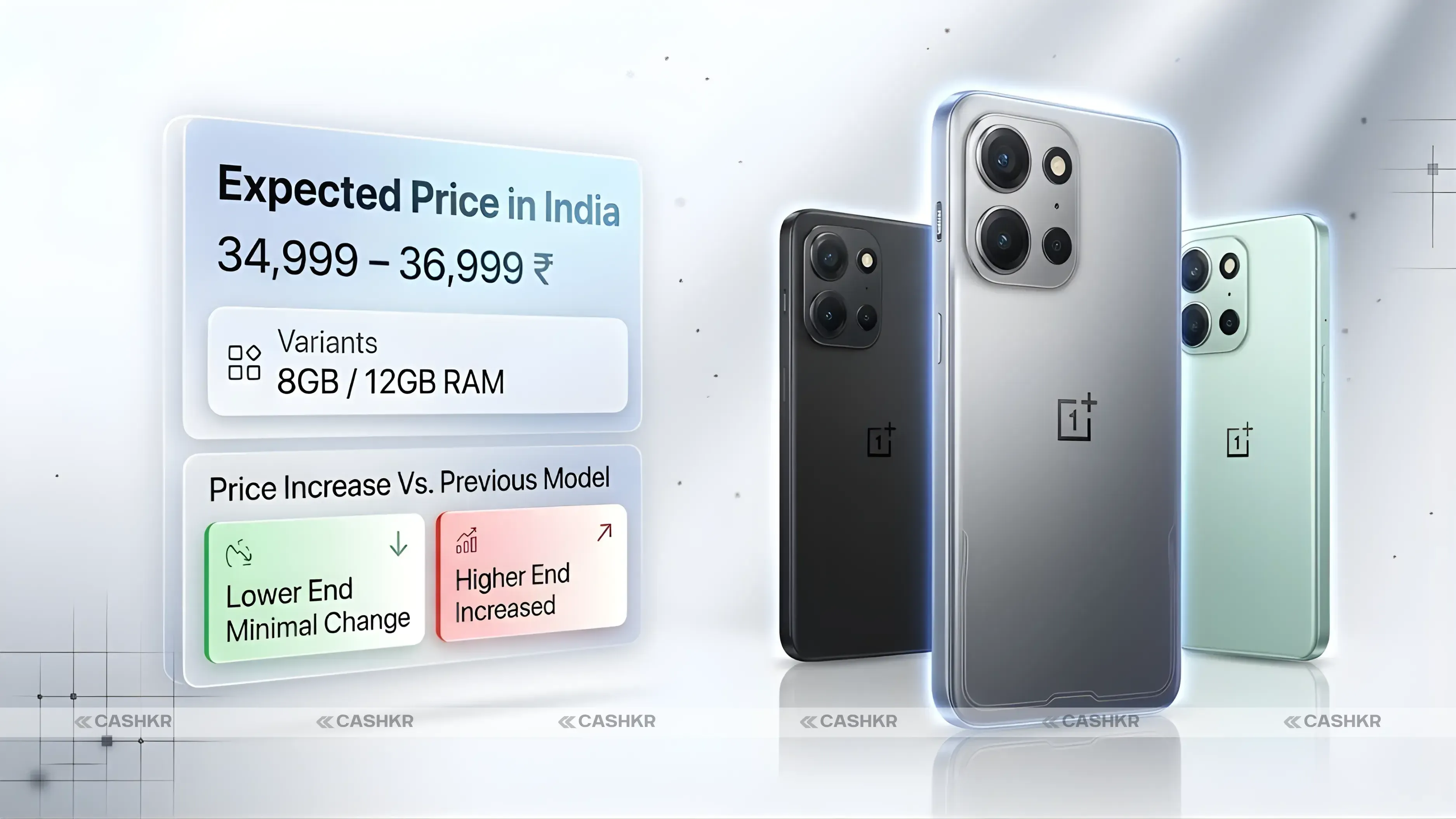
The OnePlus Nord 5 started at Rs. 31,999 in India for the base model. The Nord 6 is expected to cost a bit more.
Current leaks suggest the starting price will be between Rs. 34,999 and Rs. 36,999, which is Rs. 3,000 to Rs. 5,000 more than the last model.
There are rumors of two versions at launch: one with 8GB RAM and 256GB storage, and another with 12GB RAM and 256GB storage. The higher price is likely due to the big chipset upgrade from the Nord 5.
One interesting leak suggests OnePlus might skip the Nord CE 6 this time. It looks like the company is focusing only on the standard Nord model.
Base Variant Expected: Rs. 34,999 (8GB + 256GB).
Top Variant Expected: Rs. 36,999 (12GB + 256GB).
Nord 5 Launch Price: Rs. 31,999 (for comparison).
Price Increase: Rs. 3,000 to Rs. 5,000 over the previous gen.
Nord CE 6: Likely not launching this cycle.
It’s worth noting that the price jump is because of the Snapdragon 8s Gen 4 upgrade. This chip was only seen in phones above Rs. 40,000 before, so getting it at Rs. 34,999 is a great deal.
The OnePlus Nord 5 had the Snapdragon 7s Gen 3, a solid mid-range chip. The Nord 6 is expected to move up to the Snapdragon 8s Gen 4, which is part of Qualcomm’s flagship lineup.
The real-world performance difference is clear. The 8s Gen 4 uses the same CPU design as Qualcomm’s top Snapdragon 8 Elite, but with a bit lower speed to control heat and cost. In daily use, it can handle heavy multitasking and demanding 3D games easily.
Benchmarks already give us some numbers. The Nord 6 shows a single-core Geekbench score of about 2,040 and a multi-core score of around 6,520. These results put it ahead of most phones under Rs. 40,000 in India right now.
The Adreno 825 GPU in this chip is also very strong. For gaming, it’s a big step up from the last generation.
Chipset
Qualcomm Snapdragon 8s Gen 4
GPU
Adreno 825
RAM
8GB or 12GB LPDDR5X
Storage
256GB UFS 3.1
Geekbench Single
~2,040 (leaked benchmark)
Geekbench Multi
~6,520 (leaked benchmark)
OS
Android 16 with OxygenOS
For context: the Snapdragon 8s Gen 4 in the Nord 6 is the same chip used in phones like the Realme GT 7 and iQOO Neo 10, which launched between Rs. 35,000 and Rs. 42,000. Including it in the Nord series is a smart move by OnePlus.
Display: 165Hz AMOLED at This Price Is Excellent
The display on the OnePlus Nord 6 is expected to be one of its best features.
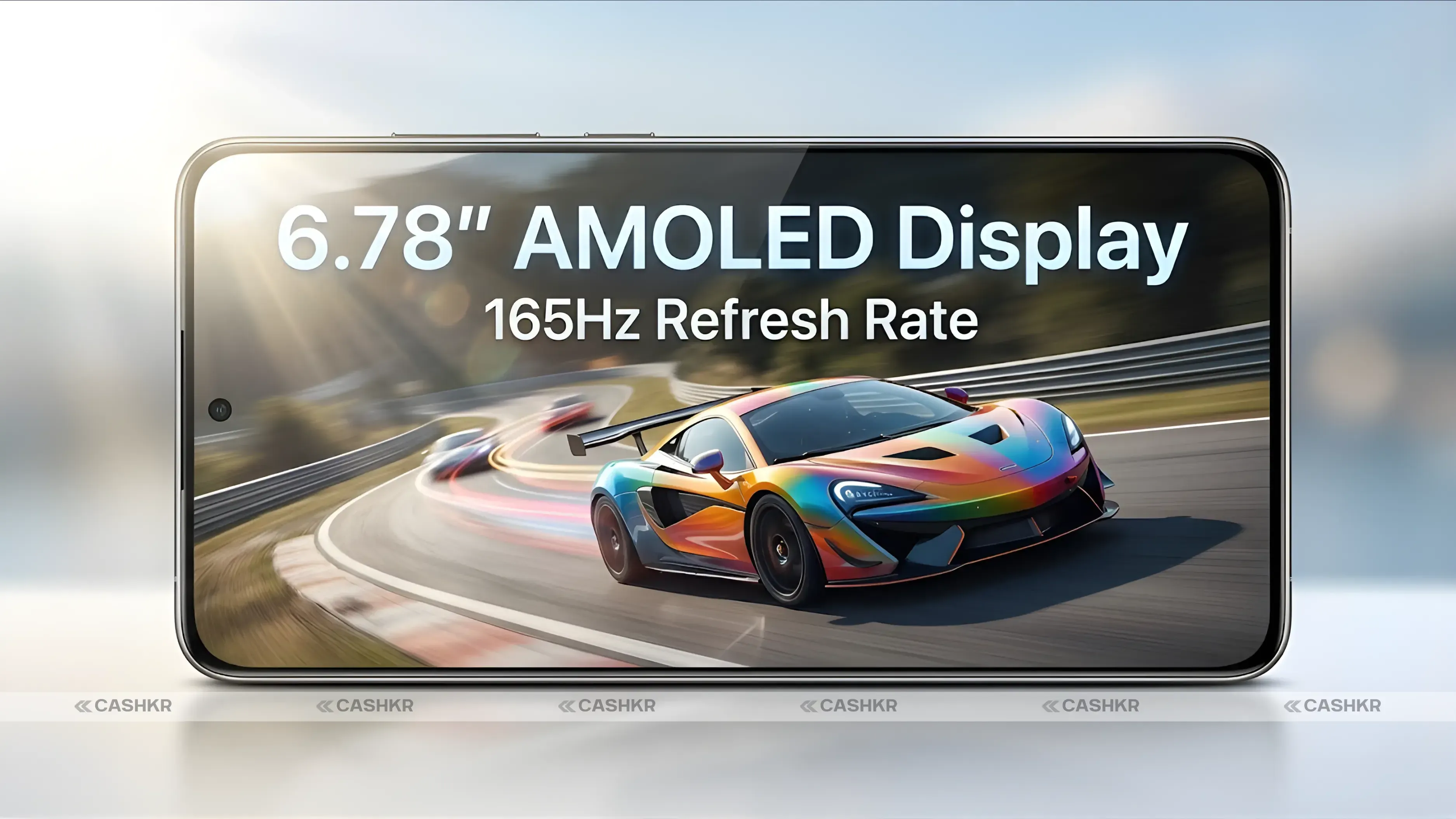
It’s expected to have a 6.78-inch Full HD+ AMOLED screen with a 165Hz refresh rate. Just two years ago, 120Hz was considered high-end. Now, getting 165Hz in a mid-range phone shows how quickly things have changed.
High refresh rates are most noticeable during fast gaming and quick scrolling. At 165Hz, every swipe and animation feels much smoother than on 90Hz or 120Hz screens. For competitive gaming, this can give you a real edge in games where screen speed matters.
The 1,800 nits peak brightness is also important for daily use. Many mid-range phones are hard to see outdoors, but at 1,800 nits, the Nord 6 should stay easy to read even in bright sunlight. That’s something many phones at this price still can’t do.
With about 450 ppi, text and images should look sharp and clear. It’s a Full HD+ screen, not QHD, but at 6.78 inches and 450 ppi, that’s more than enough for daily use.
The camera on the Nord 6 isn’t the most impressive feature, and that’s okay.
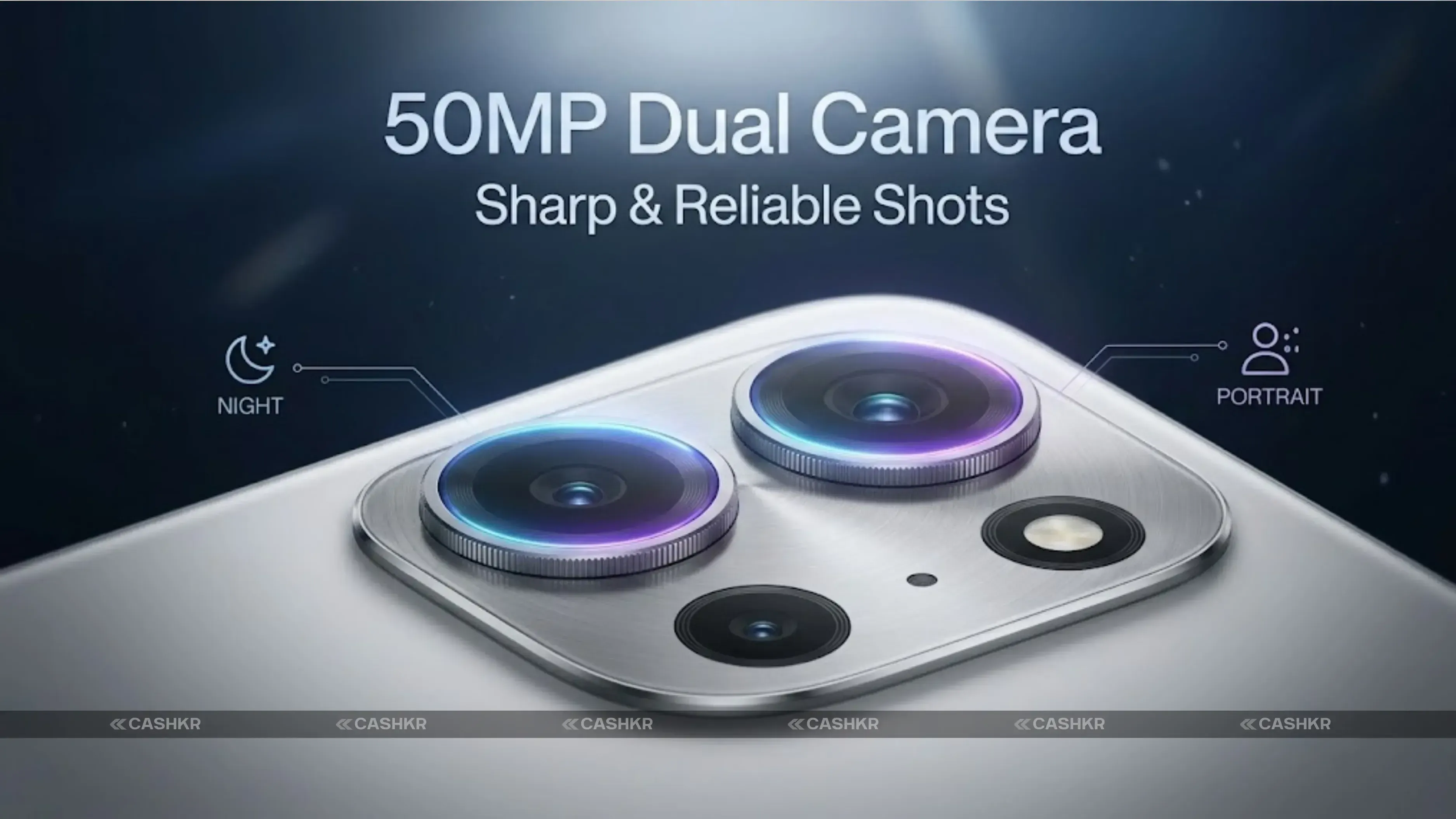
The rear cameras are expected to include a 50MP main sensor and a 2MP monochrome sensor. The main camera should take sharp, detailed photos in good light, while the monochrome sensor helps with depth and low-light shots.
This isn’t a camera-focused phone. There’s no periscope zoom, no 200MP main sensor, and no huge flagship sensor. The Nord 6 is mainly about performance and display quality, with the camera being good but not a highlight.
For daily photos, social media, and casual shots, this setup is more than enough. The 16MP front camera should work well for selfies and video calls.
OnePlus has also been making its camera software better with each OxygenOS update. The hardware might be mid-range, but software updates have improved portrait mode, night mode, and color accuracy in recent Nord phones.
Primary Rear Camera: 50MP
Secondary Rear Camera: 2MP monochrome sensor Front Camera: 16MP Video: To be confirmed at official launch
Nord 5 vs Nord 6: What Actually Changed
If you are currently using a Nord 5 or considering one, here is a direct comparison of the key differences:
Chipset
Snapdragon 7s Gen 3
Snapdragon 8s Gen 4
Display
120Hz
165Hz (expected)
Brightness
Lower
1,800 nits (expected)
RAM
Up to 12GB
Up to 12GB
Operating System
Android 15
Android 16
Starting Price
Rs. 31,999
Rs. 34,999 (expected)
The upgrades to the chipset and display refresh rate really matter. If you have a Nord 5, you’ll notice a big difference in daily use, especially for gaming and multitasking, thanks to the jump from Snapdragon 7s Gen 3 to 8s Gen 4.
If you’re using a Nord 4 or an older model, upgrading makes even more sense.
OnePlus Nord 6: All Leaked Specs in One Place
Features
OnePlus Nord 6
Chipset
Snapdragon 8s Gen 4
GPU
Adreno 825
Display
6.78-inch Full HD+ AMOLED, 165Hz
Peak Brightness
1,800 nits
Pixel Density
~450 ppi
RAM
8GB or 12GB LPDDR5X
Storage
256GB UFS 3.1
Rear Camera
50MP main + 2MP monochrome
Should You Wait for the OnePlus Nord 6
If you have a Nord 4, Nord 3, or an older mid-range phone, it’s definitely worth waiting. The Snapdragon 8s Gen 4 and 165Hz display are a big step up from those models.
If you have a Nord 5 and play games often, you might want to wait. The new chipset and faster display are upgrades you’ll really notice when gaming.
If you need a phone right away, don’t wait. The Nord 5 is still a solid mid-range choice at its current price, and it might get cheaper when the Nord 6 comes out.
If camera quality is your top priority, think carefully. The Nord 6’s dual rear cameras are practical but not outstanding. Other phones around Rs. 35,000 might have better cameras.
Final Verdict
The OnePlus Nord 6 is looking like one of the best mid-range phones coming to India in 2026.
Getting the Snapdragon 8s Gen 4 for about Rs. 34,999 is the kind of value the Nord series is famous for. The 165Hz AMOLED display with 1,800 nits brightness is a great deal at this price. Plus, OxygenOS on Android 16 means reliable software for the long run.
The camera is the only part where the Nord 6 stays strictly mid-range. If photography isn’t your main concern, everything else is very well put together for the price.
We’re still waiting for official launch details. Once OnePlus announces the date, price, and final specs, we’ll know more. But based on leaks, the Nord 6 should be on every mid-range buyer’s shortlist in 2026.
Bottom Line: Snapdragon 8s Gen 4 at Rs. 34,999 is an excellent value. The 165Hz AMOLED display and Android 16 make the Nord 6 a strong upgrade target for anyone on a mid-range OnePlus from the last two generations.
FAQs
1. What is the expected price of the OnePlus Nord 6 in India?
The OnePlus Nord 6 is expected to start at Rs. 34,999 for the 8GB RAM plus 256GB storage variant and Rs. 36,999 for the 12GB RAM plus 256GB configuration. These are leak-based estimates, and official pricing will be confirmed at launch.
2. What processor does the OnePlus Nord 6 have?
The Nord 6 is expected to run on the Qualcomm Snapdragon 8s Gen 4 with an Adreno 825 GPU. Leaked Geekbench scores suggest single-core performance of around 2,040 and multi-core performance of around 6,520.
3. What is the display specification of the OnePlus Nord 6?
The Nord 6 is expected to feature a 6.78-inch Full HD+ AMOLED display with a 165Hz refresh rate, up to 1,800 nits peak brightness, and approximately 450 ppi pixel density.
4. Is the OnePlus Nord 6 good for gaming?
Yes. The Snapdragon 8s Gen 4 and Adreno 825 GPU are significantly more capable than the chipset in the Nord 5. Combined with the 165Hz display, the Nord 6 is expected to be one of the best gaming options in the under Rs. 40,000 segment.
5. How does the Nord 6 compare to the Nord 5?
The main upgrades are the chipset and the display refresh rate. These are meaningful improvements, especially for gaming and display smoothness. The price increase is Rs. 3,000 to Rs. 5,000 over the Nord 5.
6. When will the OnePlus Nord 6 launch in India?
No official launch date has been confirmed yet. Based on OnePlus Nord series launch patterns, a mid-2026 launch in India is expected.
7. Will there be a OnePlus Nord CE 6?
Leaks suggest OnePlus may skip the CE variant this cycle and focus solely on the standard Nord 6 lineup.
8. What camera does the OnePlus Nord 6 have?
The expected rear camera setup is a 50MP primary sensor paired with a 2MP monochrome sensor. The front camera is expected to be 16MP.
9. Should I buy the Nord 5 now or wait for the Nord 6?
If you need a phone today, the Nord 5 is still a solid choice. If you can wait and gaming or display quality matters to you, the Nord 6 offers meaningful upgrades worth the wait.
10. Does the OnePlus Nord 6 run Android 16?
Yes. The Nord 6 is expected to launch with Android 16 running OxygenOS out of the box.
If you want to sell your old devices, then click here.
 Yaskar Jung ShahUpdated: Aug 1, 2026·12 min read