How Smartphones Have Changed Daily Life In Our World
AAathikshan Nadar Updated: Aug 21, 2026·10 min read

Explore how smartphones have transformed communication, work, and daily life.

Get the Cashkr app for faster payouts

Smartphones have become one of the most influential inventions of the 21st century. What started as a simple communication device has evolved into an all-in-one tool that helps people work, learn, shop, travel, stay healthy, and entertain themselves. Today, it's hard to imagine a day without checking messages, using navigation, making digital payments, or browsing the internet from a smartphone.
Smartphones have become pocket-sized computers with high-speed internet, cheap mobile data, powerful processors, artificial intelligence (AI), and millions of mobile applications. In this article, we'll explore how smartphones have changed the world, the challenges they introduce, and what the future may look like.
In the early 2000s, mobile phones were primarily used for calling and sending text messages. Devices such as Nokia's feature phones and BlackBerry smartphones became popular because they offered reliable communication and, in some cases, email access for professionals.
The emergence of touch-screen cellphones changed everything, making mobile technology accessible to everyone. App shops were not far behind, giving consumers the ability to download applications for practically every facet of daily life, from banking and education to entertainment and fitness.
With the evolution of mobile networks from 3G to 4G to 5G, smartphones have become quicker and more powerful. Mid-range smartphones today are packed with fast CPUs, numerous high-res cameras, AI-powered features, biometric security, and batteries that last a full day of use comfortably.
Perhaps the biggest transformation smartphones have brought is the way people communicate. In the not-so-distant past, staying in touch typically involved pricey phone calls or waiting for e-mails to be read on a computer. Now, we have texting apps, video calls, voice notes, and social media platforms to communicate instantaneously.
Group chats, file sharing, live geolocation, and high-quality video calling features have brought individuals closer, no matter the distance. Businesses have adopted smartphone communication too — customer service, sales, marketing, and collaboration all take place on mobile apps. During emergencies, smartphones provide immediate access to emergency contacts, live location sharing, and official updates, making them valuable safety tools as well.
Professionals are no longer tied to office desks. Emails can be answered during a commute, meetings can be joined from almost anywhere, documents can be edited on the go, and cloud storage allows important files to be accessed whenever needed.
For freelancers, entrepreneurs, and small business owners, smartphones are often fully-fledged business management tools for invoicing, client communication, social media, and online payments. The rise of remote work has only increased this need — video conferencing, project management tools, calendars, and AI helpers keep teams productive even when working from multiple places.
Learning is no longer confined to the classroom or the library. Today, a smartphone and an internet connection allow you to access a huge variety of educational resources from any point on the planet.
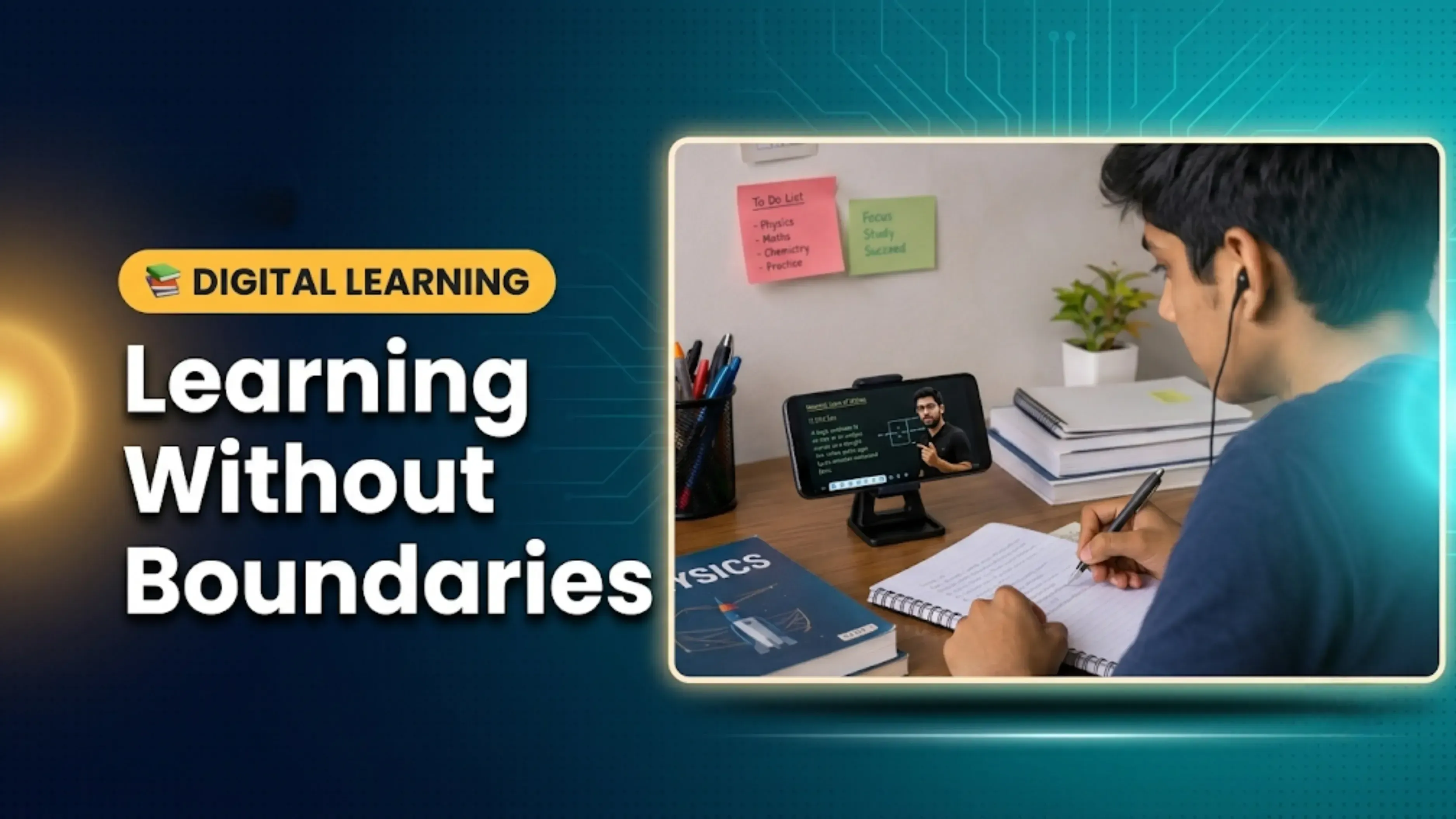
Students join online learning sessions, download study materials, watch tutorial videos, and work on group projects using their cellphones. Professionals use mobile learning platforms to acquire new skills and certifications without disrupting their work schedules. Language-learning apps, coding tutorials, digital libraries and interactive quizzes have made learning more enjoyable and accessible, enabling people to learn at their own pace.
Also Read: Top 5 Best student laptops under Rs.50000 in india 2026: 5 Picks
It wasn't so long ago that paying bills involved queuing up, going to banks, or carrying cash. With mobile banking apps, you can check your balance, transfer money, pay utility bills, and keep a tab on spending from anywhere. In places like India, digital payment systems such as UPI have revolutionized everyday transactions, making cashless purchases the norm even at small neighborhood stores. Security has increased greatly as well — fingerprint scanners, facial recognition, two-factor authentication, and encrypted payment systems keep users safe.
Consumers can now browse thousands of products online, read customer reviews, compare specifications, and place purchases from the convenience of their homes. Almost anything is available for online shopping, from electronics to fashion, food to household supplies, with same-day and next-day delivery transforming customer expectations.
The internet revolution has been great for small enterprises too. Many entrepreneurs run online storefronts, talk to clients, receive payments, and advertise their items only through their smartphones.
Getting lost has become far less common in the smartphone era. Navigation applications include turn-by-turn directions, real-time traffic information, and alternate routes. Travel planning has also gotten easier — apps let you book flights, trains, hotels, and local transportation within minutes, while ride-hailing services have transformed urban transportation.
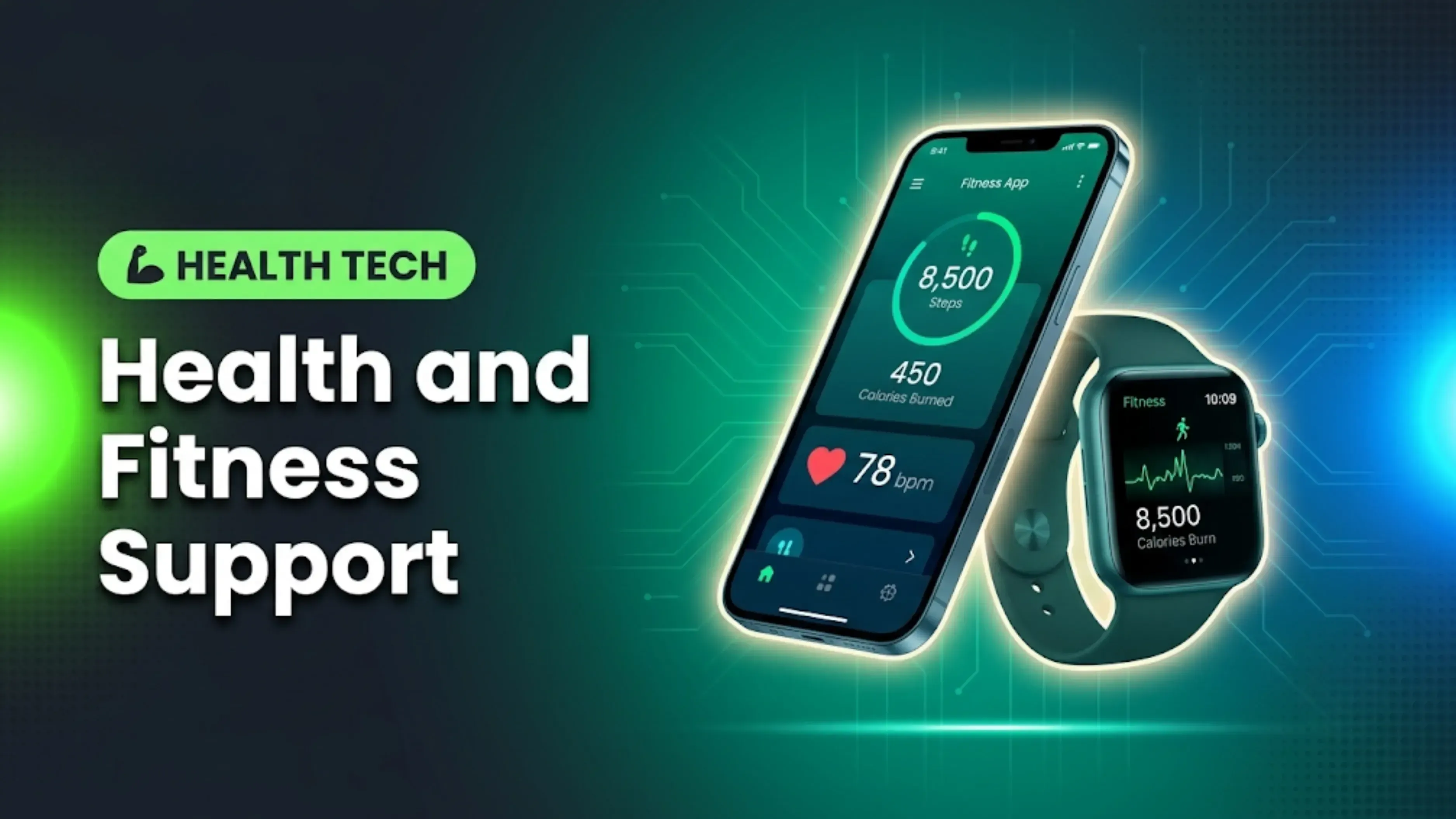
Fitness apps push users to record their daily steps, workouts, sleep habits, and water consumption, while guided meditation apps help relieve stress and improve mental well-being. Many hospitals and clinics have mobile apps that let patients book appointments online, store medical records digitally, have virtual consultations, and manage prescriptions. While smartphones should never replace professional medical advice, they have become essential tools to support healthy daily routines.
Also Read: Selling a Broken Phone vs Repairing It First: What's Actually Worth It?
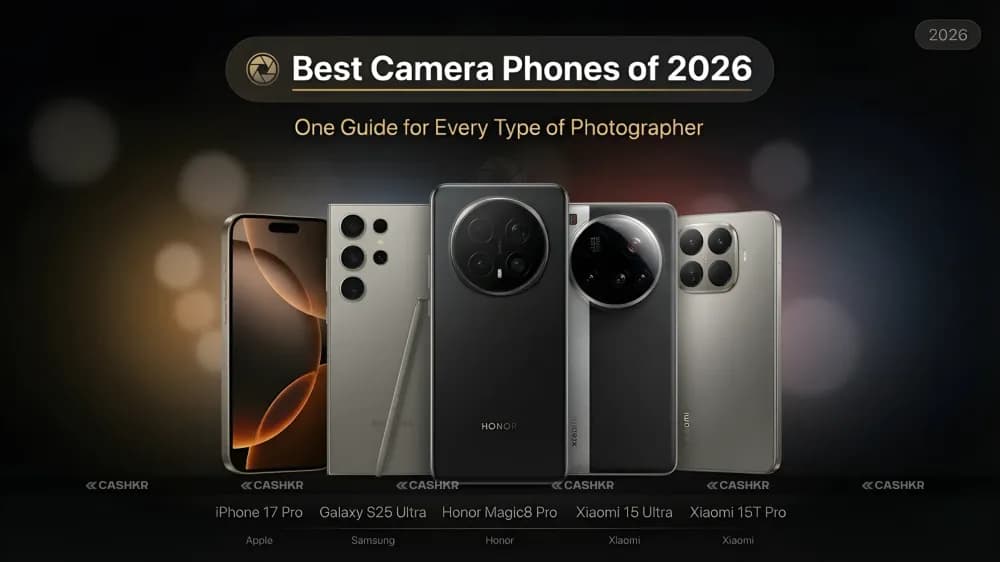
A decade ago, capturing high-quality photos usually required carrying a dedicated camera. Modern smartphones are equipped with powerful camera systems capable of producing stunning photos and videos, with features such as optical image stabilization, night mode, portrait photography, ultra-wide lenses and AI image processing.
Videos can be shot, edited, and uploaded immediately from the same device within minutes. The smartphone has democratized photography, giving millions of people the ability to create and share high-quality content with the world.
Screen addiction: Excessive screen time can reduce productivity, interrupt sleep, and limit face-to-face interactions. Setting healthy boundaries and taking regular breaks can help reduce digital fatigue.
Privacy and security risks: Smartphones include a treasure trove of personal information. Using strong passwords, enabling biometric authentication, avoiding dubious links, and keeping software up-to-date can substantially enhance security.
Misinformation: False news and distorted photos may spread quickly on social media and messaging apps. Users should verify information using trusted sources before sharing it.
Reduced face-to-face interaction: Taking time away from phones at meals, meetings or family time can bring us closer together.
Environmental impact: As consumers upgrade smartphones more frequently, electronic waste continues to grow. Older gadgets include valuable resources that can be reclaimed through appropriate recycling or restoration.
Smartphones powered by AI can summarize conversations, translate languages in real time, automatically edit photographs, and help people do routine chores more efficiently. Foldables are getting more polished, better battery technology could mean much faster charging, and camera systems will only get better with smarter computational photography.
Another intriguing development is satellite connectivity, enabling smartphones to transmit emergency messages even where there is no standard mobile network coverage. Moving forward, smartphones are projected to be more integrated with wearable gadgets, smart homes, connected vehicles, and augmented reality — serving as the hub of a wider connected ecosystem.
Smartphones have fundamentally changed the way people live, work, communicate, and interact with the world. They simplify daily activities and increase productivity, but it's important to use them responsibly to protect privacy and security and find a good balance between online and offline life.
When the time comes to get a new smartphone, it's good to think about what to do with your old one rather than letting it sit in a drawer unused. Selling or recycling it to a reliable platform such as Cashkr can help extend the life of the item, decrease electronic waste, and allow someone else to benefit from equipment that's still in good condition.
1. How have smartphones changed daily life?
They've transformed how we communicate, work, shop, learn, and travel—tasks that once needed many devices or physical trips can now be done in minutes on one phone.
2. What is the impact of smartphones on daily life?
Positive impacts include connectivity, productivity, and convenience; negatives include screen addiction, privacy risks, and reduced face-to-face interaction.
3. What are the main benefits of smartphones?
Convenience, instant communication, better productivity, accessibility features, digital payments, and quick access to information.
4. How do smartphones improve productivity?
Productivity apps help manage calendars, notes, documents, and tasks from anywhere, while cloud storage and AI assistants automate routine work.
5. What are the uses of smartphones in everyday life?
Communication, work, online learning, shopping, digital payments, navigation, entertainment, and health tracking.
6. How have smartphones changed the world?
They've democratized information and communication for billions, transforming retail, banking, education, healthcare, and content creation.
7. What is the role of smartphones in modern life?
They act as communication hubs, personal assistants, digital wallets, navigation tools, health monitors, and portable workplaces all in one.
8. What are the advantages and disadvantages of smartphones?
Advantages: convenience, connectivity, and productivity. Disadvantages: screen addiction, privacy concerns, misinformation, and e-waste.
9. What should I do with my old smartphone when I upgrade?
Sell it on a trusted platform like Cashkr, gift it to someone in need, or recycle it through a certified e-waste program.
10. What are the latest smartphone trends in India?
Affordable 5G devices, AI-powered features, UPI payments, foldable phones, better cameras, and longer battery life.
If you want to sell your old devices then, click here.
Sell with Cashkr
Cashkr buys used devices at a fair price with free doorstep pickup and same-day payment across 2,000+ pincodes. Get an upfront quote in seconds.
Sell Old Phone OnlineCheck your phone's value in secondsWritten by
Best camera phones 2026 — ranked for every type of shooter.
Top Google Gemini AI photo editing prompts to boost creativity
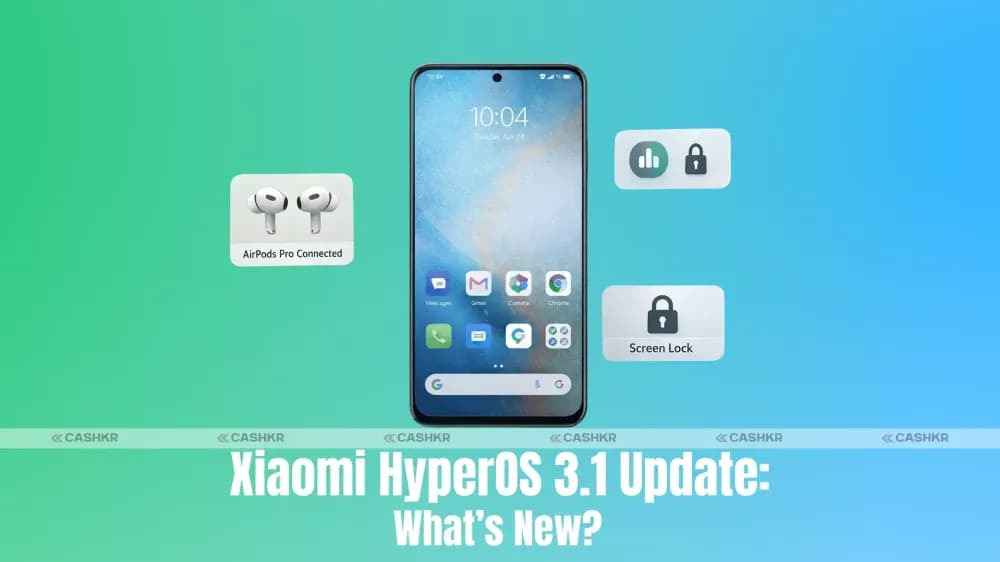
Xiaomi HyperOS update 3.1 : Check the full list of eligible devices.
Cashkr makes it easy and safe to sell your used phone. No hassle!
Phone recycling with Cashkr helps reduce e-waste and support sustainability.
Sell old devices and reduce e-waste with Cashkr’s green initiative.


