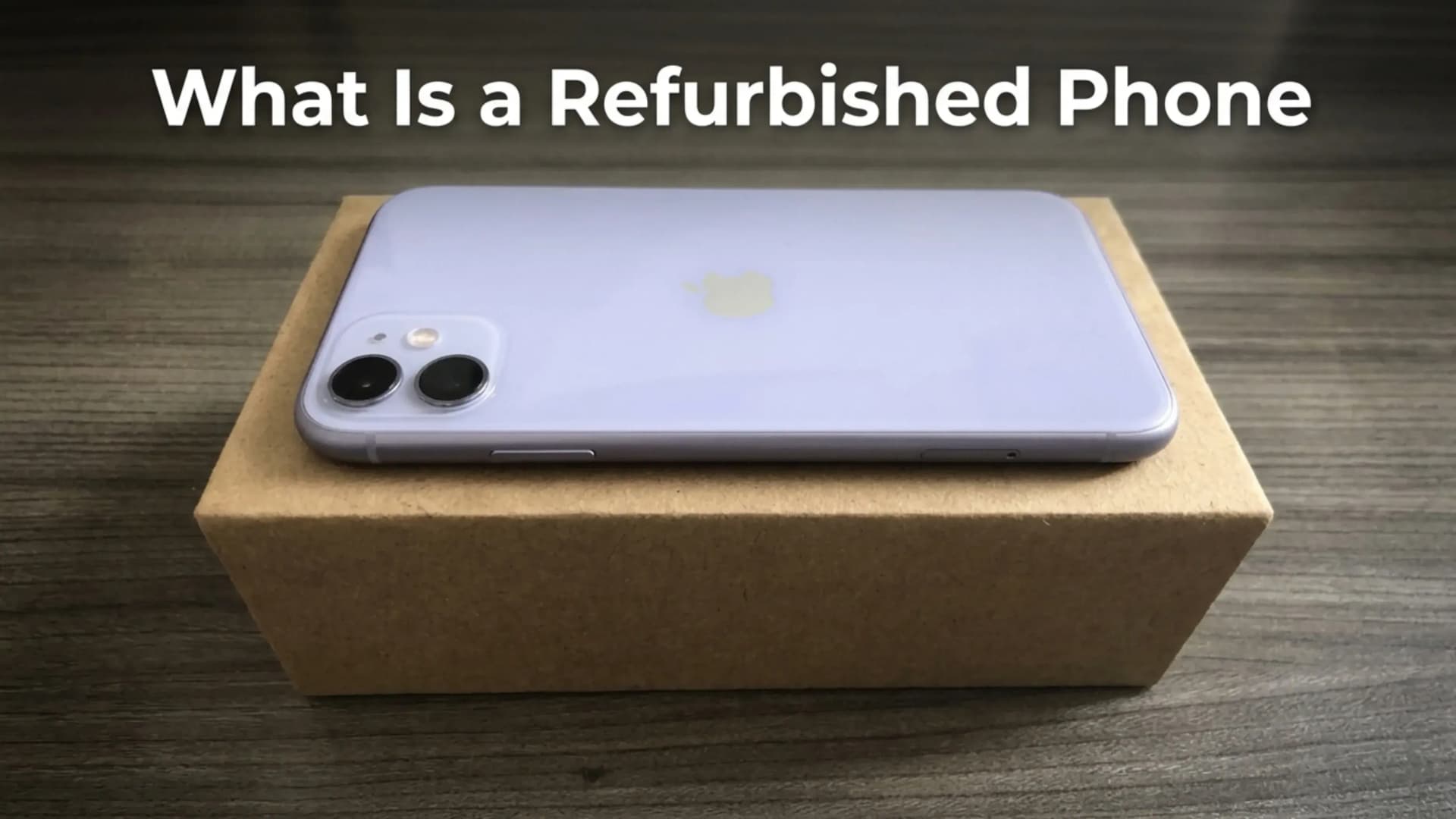
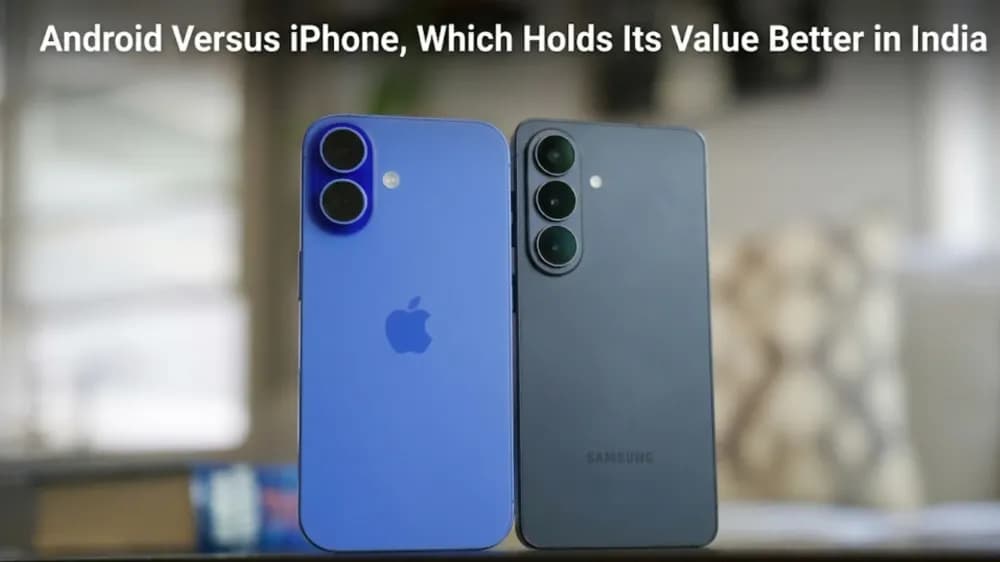
A refurbished phone is a used phone that has been checked, repaired if necessary, cleaned, and then resold, usually with a warranty.
That’s the short answer, and most articles stop there. The issue is that 'refurbished' can mean many things, from a phone rebuilt with new parts and a new battery to one that was simply returned unopened, wiped, and reboxed by the seller.
Both are called refurbished, but they are not the same thing.
Advertisement
Disclosure: Cashkr is our own device buyback service.We buy used phones, and phones that can be repaired go on to be refurbished and resold. So we are describing the industry we are part of. The questions below are ones you should put to us as readily as to anyone else.
Yaskar Jung Shah leads content at Cashkr, an Indian device buyback service. He writes about resale value, data safety and what actually happens to a device after it is sold. He checks every figure against a dated, named source, and says so when a number cannot be verified.
Advertisement
Advertisement
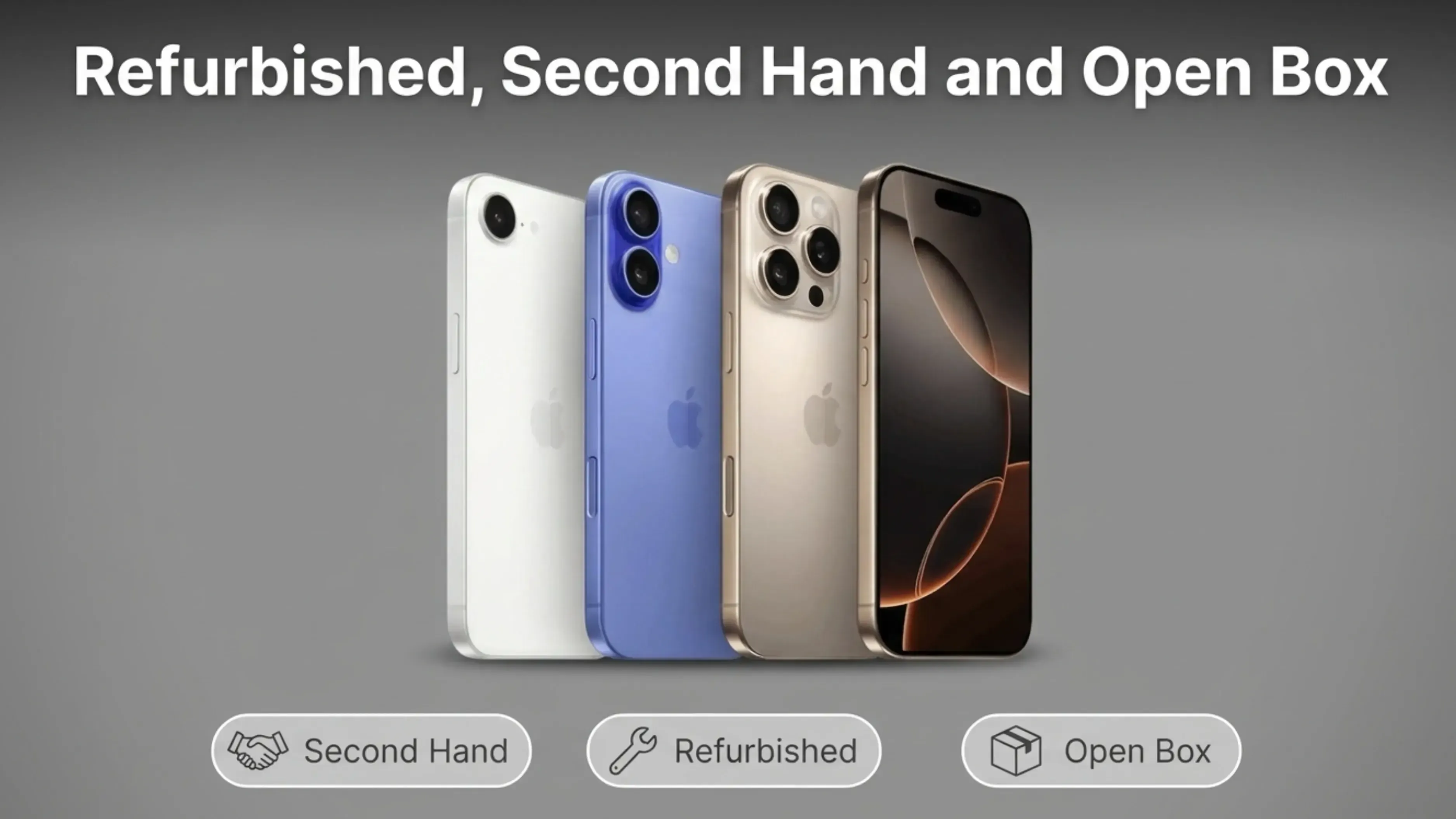
These three words are often used loosely. Here’s what they actually mean.
"Secondhand" means the phone is sold as it is by the previous owner, without any inspection and usually without a warranty. What you see is what you get.
"Refurbished" means a business has taken care of the phone in between. It’s been tested, any problems have been fixed, the data has been wiped, and there’s usually a warranty included.
"Open box" means the phone is barely used, often from a cancelled order or a return, and is sold at a discount as almost new. If the description is accurate, it’s usually the best option of the three.
The main difference between second-hand and refurbished is the testing and the warranty. That’s what you’re paying extra for, which is why a refurbished phone costs more than the same model on a classifieds site.
The Honest Part: The Word Is Not Standardized
This is important to know before you buy.
India's E-Waste (Management) Rules, 2022, recognize refurbishers as a category and require them to register, and a registered entity is not allowed to deal with unregistered ones. So the business is regulated.
But we haven’t found any rule that says what condition a phone must be in before it can be sold as refurbished. There’s no universal grading scale, and the word doesn’t guarantee a minimum battery health.
So, 'refurbished' really tells you about the seller’s process, not the phone itself. Two listings with the same label can mean very different things.
That’s why the questions you ask matter more than the label.
The Four Questions That Actually Settle It
Ask these questions about any refurbished phone, no matter who is selling it.
First, what grade is the phone, and what does that grade actually mean? Most sellers use their own scale, like Like New, Good, or Fair. These words aren’t standard, so ask what each one includes. For example, how many scratches count as 'Good'? Does it include a replaced screen?
Second, what is the battery health? This is the most useful number, but it’s often missing. On an iPhone, the phone itself shows the percentage. A refurbished phone at 82 percent and one at 100 percent with a new battery are very different, even if both are called refurbished. If the seller won’t tell you, that’s your answer.
Third, what warranty comes with the phone, who provides it, and how long does it last? A seller’s six-month warranty isn’t the same as the manufacturer’s. Ask who will handle any issues, what the warranty covers, and whether you need to mail the phone or can visit a shop.
Fourth, were original parts used? On an iPhone, you can check this yourself after buying, which is helpful. In Settings, under General and About, you’ll see a repair history for phones that have been fixed, with each part labeled as Genuine, Unknown, Unverified, or Used. A non-original part may show as Unknown.
If you’re buying from a refurbisher instead of a marketplace, add a fifth question: What is your CPCB registration number? This is legally required for refurbishing businesses in India, and a registered seller should be able to give it to you right away.
Why Refurbished Phones Have Got Better
Two real changes have happened.
New phones have become more expensive. In the first half of 2026, Indian smartphone prices rose by about 16 percent, mainly because of higher memory costs as AI data centers used up supply. According to Counterpoint Research, new phone sales dropped by about 11 percent, while refurbished phone sales went up by about 13 percent. People didn’t suddenly prefer used phones, new phones just became too expensive for some.
Repairs have also become easier. Omdia notes that more replacement OLED panels are available now, which makes refurbishing recent flagship phones more practical. The display is often the deciding factor in whether a damaged premium phone is worth fixing.
For buyers, this means the refurbished market now includes more recent flagship phones than before. It’s a better place to shop than just looking at older or lower-end models.
What Gets Refurbished, by Brand
Counterpoint's figures for India's organized refurbished market put Samsung at about 30 percent, Apple at about 23 percent and Vivo at about 10 percent, with the rest spread across other brands.
This affects what’s available, not the quality. If you want a used iPhone or Galaxy, you’ll have options. But if you’re looking for a specific model from a smaller brand, you might not find it refurbished and may need to check classifieds instead.
Should You Buy One?
Yes, as long as you ask the four questions and get clear answers. A well-refurbished recent flagship is usually a better deal than buying a new phone that’s two levels lower, especially with this year’s price increases.
Be cautious if the answers are unclear. If a listing says refurbished but doesn’t explain the grade, battery health, or warranty, you’re just buying a label.
Always check the IMEI before you pay. It’s free and protects you from buying a stolen phone. Dial *#06# to get the number, then send an SMS with KYM and the IMEI to 14422, or use the IMEI verification page on the government’s Sanchar Saathi portal. If the status says blacklisted, duplicate, or already in use, don’t buy it. Our guide on checking an IMEI number in India explains the full process.
What Happens to a Phone You Sell
Since this is the other side of the business, here’s how it really works.
If a phone arrives working and in decent condition, it’s inspected, wiped, and prepared for resale. If it needs repairs, we check if the repair costs less than what we could resell it for. If it’s not worth fixing, it’s used for parts or recycled.
Two things decide what happens to a phone, and both are up to the seller before sending it in.
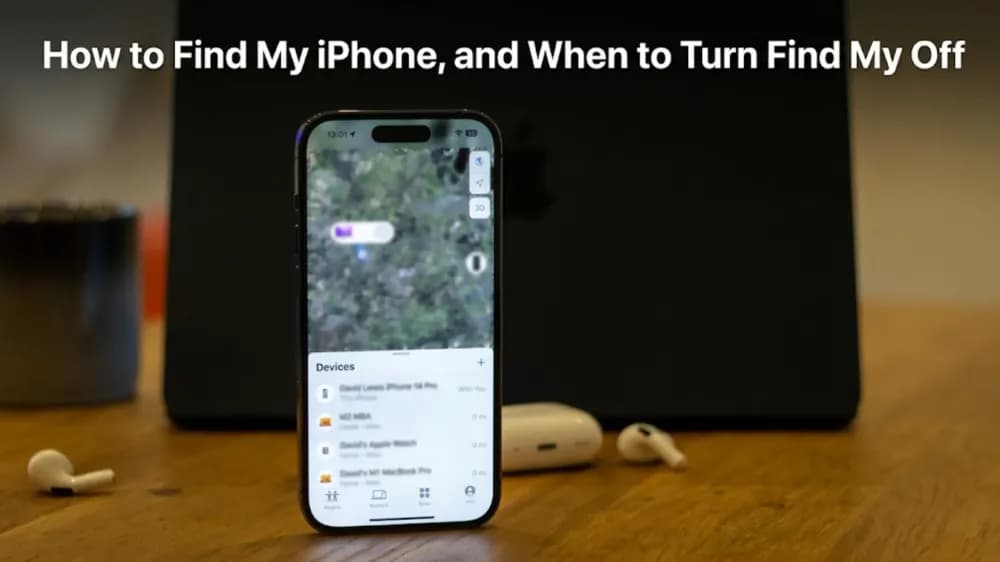
The phone must be unlocked from your account. If it’s still signed in to an Apple or Google account, no one else can set it up, so it can’t be refurbished or resold. Make sure you erase it from its Settings before sending it in.
You are responsible for your data. When you reset your phone, it destroys the encryption key, making any leftover data unreadable. Our guide on selling your phone safely explains the steps.
A used phone that a business has tested, repaired if needed, wiped and resold, usually with a warranty. The word covers a wide range, from a phone rebuilt with new parts to one returned almost unused, so the grade and the battery health tell you far more than the label does.
2. Is a refurbished phone the same as second-hand?
No. Second-hand means sold as-is, with no inspection and usually no warranty. Refurbished means a business handled it in between, tested it and attached some warranty. That testing and warranty is what the price difference buys.
3. Is there an official standard for what refurbished means in India?
India's E-Waste Rules recognize and require refurbishers to register, so the business is regulated. We have not found a standard that sets what condition a phone must be in before it can be sold as refurbished. That is why the grade definition and the battery figure matter more than the word.
4. What battery health should a refurbished phone have?
There is no guaranteed minimum, which is exactly why you should ask. Above 85 percent is reasonable on a refurbished handset, and a replaced battery is better still if it is an original part. A seller who will not give you the number is telling you something.
5. Do refurbished phones come with a warranty?
Usually, but it is normally the seller's own warranty rather than the manufacturer's. Ask who honors it, how long it runs, what it covers, and whether a claim means posting the phone or visiting a shop.
6. Can I tell if a refurbished iPhone has non-original parts?
Yes, and this is worth knowing. Settings > General > About shows a repair history on iPhones that have been repaired, and it labels parts as Genuine, Unknown, Unverified, or Used. A non-original part can appear as Unknown. The section only appears if the phone has been repaired, and older models track fewer parts.
7. Is it safe to buy a refurbished phone?
Reasonably, if you ask the grade, battery, warranty and parts questions and get clear answers. Check the IMEI against the government register before paying, no matter who you buy from. A blacklisted IMEI cannot connect to any Indian network.
Sources
The E-Waste (Management) Rules, 2022, for the recognition and registration of refurbishers in India and the prohibition on registered entities dealing with unregistered ones, as summarised by Shardul Amarchand Mangaldas. We have not identified a standard governing the condition of a device sold as refurbished, and the article says so rather than asserting none exists
Counterpoint Research, September 2026, for Indian refurbished volumes up about 13 percent year on year against new volumes down about 11 percent, and for organized refurbished market shares of about 30 percent Samsung, 23 percent Apple and 10 percent Vivo
Omdia, for wider replacement OLED panel availability improving the economics of refurbishing recent flagships
Reported H1 2026 Indian smartphone price rise of around 16 percent, attributed to DRAM and NAND cost increases
Apple, "iPhone Parts and Service History", for the Genuine, Unknown, Unverified and Used labels and the per-model limits on what the screen tracks
Department of Telecommunications, Sanchar Saathi portal, for CEIR IMEI verification and the KYM service on 14422


 Yaskar Jung ShahPublished at: Nov 25, 2026·11 min read